Introduction
Showcase lights do more than just brighten products. It also has to follow strict safety rules. These include environmental laws when it is used in shops, galleries, or museums in many countries.
This guide explains global rules in a simple Q&A style, so designers, installers, and sourcing managers can see what matters and why.

Why Does Compliance Matter for Showcase Lighting?
Showcase lights fit in tight spaces. They sit close to glass, metal, and fabrics. If lighting is cheap or unsafe, it can overheat or spark. This can damage or ruin products. Many retailers do not allow non-certified fixtures at all.
Here’s why compliance matters:
- It protects people from electrical shock or fire.
- It ensures safe temperature levels inside cabinets.
- It removes hazardous chemicals from lighting materials.
- It allows the product to pass through customs legally.
- It helps retail chains install the same lights across multiple regions.
A brand picks certified LED display lights. Then it can rest and relax. It also builds trust. It shows that the store cares about safety, quality, not only looks too.
Technical risks when compliance is ignored
|
Risk Type |
What Can Happen |
Why It Matters |
|
Overheating |
Lights may damage jewelry, watches, or cosmetics |
Products inside cabinets are sensitive to heat |
|
Electrical Shock |
Unsafe wiring can harm installers or staff |
Retailers have strict liability rules |
|
Toxic Materials |
Lead or mercury may appear in low-quality fixtures |
Many countries ban hazardous substances |
|
Import Rejection |
Customs may block non-certified lighting |
This creates major business delays |
For brands that rely on precise, stable light—like jewelry showcase lighting, luxury retail, or art exhibitions—compliance is not a nice-to-have. It is essential.
What Certifications Do You Need for the European Market?
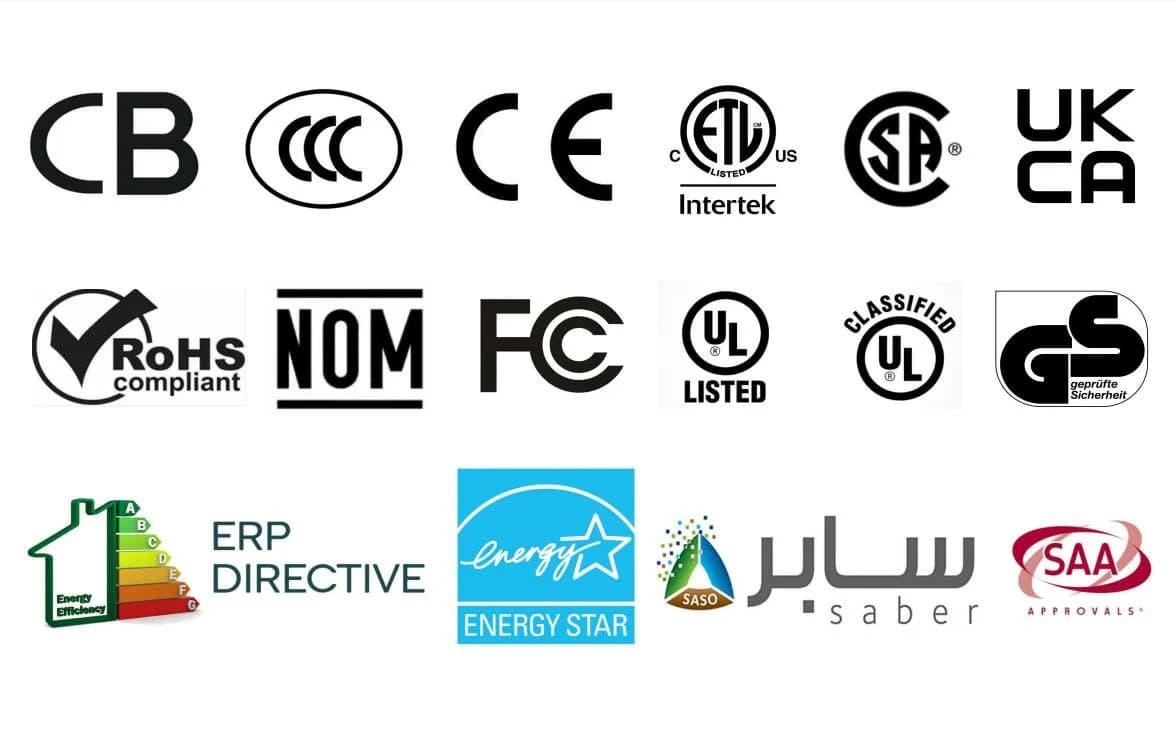
You want to sell or install showcase lights in Europe. CE marking and RoHS compliance are the two things you need. They confirm the product is safe and low in harmful chemicals. It stays stable electrically.
What does CE Marking mean?
CE marking is like the “passport” for electrical products entering Europe. Without it, the lights cannot legally be sold.
To earn a CE mark, display lighting normally must follow:
- LVD (Low Voltage Directive) – checks electrical safety
- EMC Directive – ensures the product does not cause signal interference
- EN 60598 – the main safety standard for luminaires
This matters for Mini showcase track lighting, small cabinet fixtures, and even tiny LED bars used in glass displays. These systems must show they can run for long hours without overheating or posing electrical risks.
What does RoHS mean?
RoHS prevents harmful materials—like lead and mercury—from entering lighting products. This protects the environment and keeps retail stores safe.
What must a supplier provide?
To prove full European compliance, responsible suppliers should give:
- CE Mark on product label
- Declaration of Conformity (DoC)
- EMC and safety test reports (for EN 60598, etc.)
- RoHS test results
When a document is missing, your product can be stopped at customs or denied approval for retail sale.
Key European Standards
|
Standard |
What It Covers |
Why It Matters for Showcase Lighting |
|
CE Mark |
Electrical safety + EMC |
Legal requirement for EU sales |
|
EN 60598 |
Luminaire safety |
Ensures stable and safe operation |
|
RoHS |
Restricts hazardous chemicals |
Protects environment + customers |
What Global Certifications Help With Multi-Country Projects?
If you want one lighting product to work in several countries, the best route is the CB Scheme (Certification Body Scheme). It is recognized in over 50 countries.
How does the CB Scheme help?
A CB certificate lets your product skip repeated testing in many countries because it already follows major IEC or EN standards. This saves cost and shortens project timelines.
Where is the CB Scheme useful?
- Middle East
- Southeast Asia
- South America
- Africa
- Multiple regional chains in Europe
For global brands—especially jewelry, electronics, and luxury goods—this simplifies lighting rollout.
Additional marks you may see
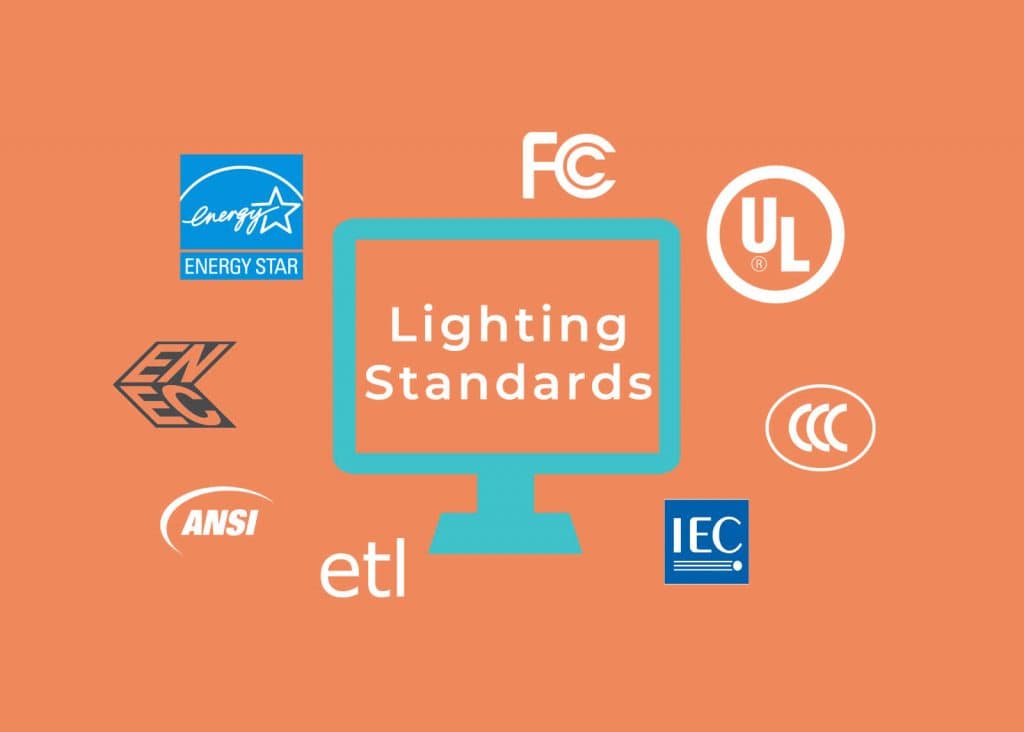
- ENEC – high-confidence safety mark used by many EU lighting companies
- IECEE reports – international safety test results
When these certifications show up on a supplier’s documents, it often means the manufacturer is experienced with international compliance.
What Should Retailers and Buyers Look for When Choosing Showcase Lighting?
Before you buy anything, check the labels. Make sure it has the right approvals needed. This helps avoid delays, returns, and safety problems.
Checklist for Importers and Retail Chains
|
What to Check |
Why It Matters |
|
Certification label (CE, UL, ETL, RoHS) |
Ensures legal entry into the market |
|
Test reports |
Confirms electrical and thermal safety |
|
Driver specifications |
Shows power stability and flicker control |
|
Temperature test |
Prevents overheating inside display cases |
|
Material compliance |
Protects environment and reduces toxic exposure |
|
Installation guide |
Helps installers avoid wiring mistakes |
If you’re using LED showcase lighting for high-end retail, request full documentation. Good suppliers will gladly provide it.
Does fixture type change which standard applies?
Yes. For example:
- A low-voltage magnetic track needs UL 2108.
- A complete LED luminaire needs UL 1598 in North America.
- An LED module needs EN 62031 for EU projects.
Following the wrong standard can cause rejection during certification.
If you want to learn more about picking the right fixture for retail design, you can explore Chiswear’s LED showcase lighting collection for practical examples of compliant display solutions.
How Should a Professional Lighting Supplier Handle Compliance?
A trustworthy supplier builds compliance into every step of their work. It is never an extra task. This matters when you order custom lighting. It could be magnetic showcase track lighting, slim LED bars, or custom cabinet lights.
What should the factory do?
A good factory must:
- Follow global quality systems (ISO, safety testing routines)
- Use LED chips and drivers that already have certifications
- Document each lighting model with a technical file
- Perform internal stress, aging, and temperature tests
- Provide test reports on request
What should you ask the supplier?
Here are smart questions to ask:
- Does this fixture comply with CE / UL / RoHS?
- Can you share the complete test reports?
- Are the LED drivers certified separately?
- Does the installation manual meet the target market rules?
- Can you provide low-voltage options if needed?
Some suppliers also offer OEM and ODM customization. Jewelry brands use mini track lights in their cases. They choose light color, beam spread, and housing look to match their own brand style.
Why Does Choosing Certified Lighting Give Brands a Competitive Advantage?
Good lighting makes products shine. It also builds trust and helps brands grow worldwide. When a store picks certified lights, it gets clear benefits. Plain lights cannot match them.
Customer Safety and Trust
People feel safer in a store. It takes good care of its electrical systems. Certified lighting helps prevent flicker. It also stops overheating or discoloration, especially in small cabinets.
Smooth International Expansion
When your lighting design meets CE, UL, or CB rules, you pass key safety checks. Then it is easier to open new stores. Brands don’t have to redesign lighting. They keep it the same everywhere.
Better Long-Term Lighting Performance
Certified fixtures usually use higher-grade LED chips, stronger heat sinks, and better drivers. This results in:
- Brighter, stable illumination
- Better color rendering
- longer lifespan
- lower maintenance costs
This is very important for jewelry displays. The light must be clear and bright.
Reduced Liability
Most insurance companies prefer safe, tested electrical products. This helps retailers avoid claims and disputes, and shutdowns.
Conclusion
Lighting for global retail isn’t just about beauty. It is also a regulated electrical product that must protect customers, preserve merchandise, and meet each country’s legal rules. You might use magnetic track lights, mini track lights, or classic LED showcase lighting. Certified fixtures keep your setup safe and support growth in global markets. You also get lighting that lasts long and works well in your shop or display space.
External Links:
- https://europa.eu/youreurope/business/product-requirements/labels-markings/ce-marking/index_en.htm
- https://environment.ec.europa.eu/topics/waste-and-recycling/rohs-directive_en
- https://single-market-economy.ec.europa.eu/sectors/electrical-and-electronic-engineering-industries-eei/low-voltage-directive-lvd_en
- https://single-market-economy.ec.europa.eu/sectors/electrical-and-electronic-engineering-industries-eei/electromagnetic-compatibility-emc-directive_en
- https://standards.iteh.ai/catalog/standards/clc/369d396c-da0e-476e-aedf-7dc5c037e85e/en-60598-1-2015?srsltid=AfmBOoo1Gn11Z-FjmGJkwTazr_7VqvCwhBHEViLMNSA_CpW0MHzmuKIL
- https://europa.eu/youreurope/business/product-requirements/compliance/technical-documentation-conformity/index_en.htm
- https://www.iecee.org/who-we-are/cb-scheme
- https://enec.com/what-is-the-enec-mark/
- https://certificates.iecee.org/
Post time: Dec-16-2025