Introduction
In retail, exhibitions, and luxury showcases, one thing never stays still: the display. Products rotate, collections change, and layouts evolve. Lighting that cannot adapt becomes a limitation. Modular showcase lighting fixes this problem. It gives you a system that shifts as fast as your creative ideas.
This guide looks at how modular lighting works and why it matters. It shows how brands that use magnetic track light and LED showcase lighting can change displays over time without extra cost or complex work.
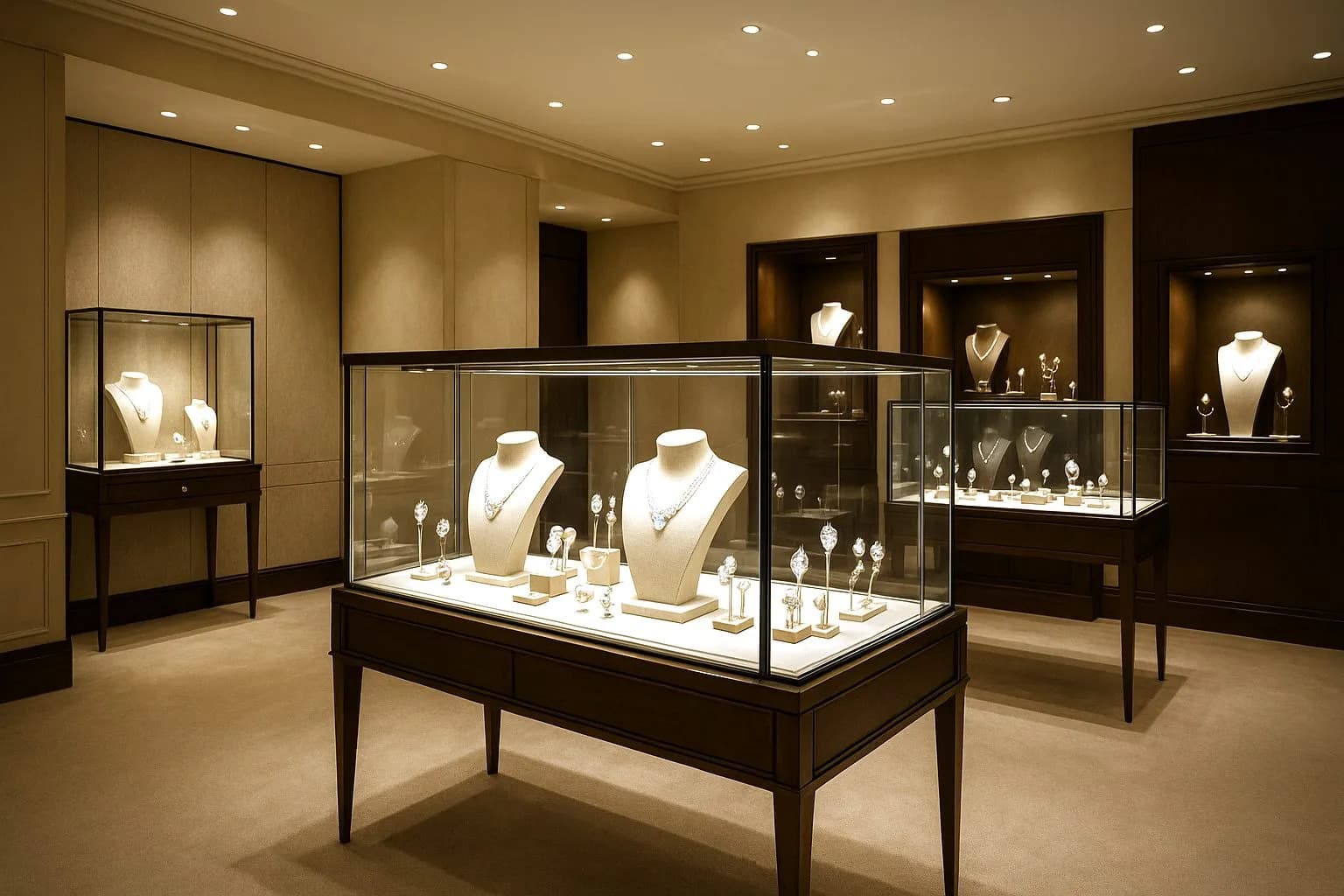
Why Does Modular Lighting Matter for Changing Displays?
Modular lighting matters because modern retail and exhibition spaces shift constantly. Collections change weekly. Pop-ups appear with short notice. Designers change layouts to fit themes, colors, and how stories flow. Fixed lighting can’t keep up. But modular lighting can, and it does.
What Makes Modular Lighting Flexible?
With modular lights, you can add, remove, or move fixtures without rewiring. This includes:
- Track-mounted spotlights
- Slim LED light bars
- Mini magnetic showcase track lighting
- Pole-mounted LED accents
- Low-profile modular bars
A magnetic system, such as the ones used in luxury showcases (magnetic track lighting), lets you reposition lights with a simple “click and slide.” No tools. No downtime.
How Flexibility Works in Modular Lighting
|
Feature |
What It Means |
Benefit |
|
Plug-and-place fixtures |
Drop-in installation without rewiring |
Faster display changes |
|
Track or rail systems |
Pre-installed channels for lighting |
Perfect for evolving layouts |
|
Magnetic mounting |
Move lights by hand |
Zero technical skill required |
|
Modular power input |
Only one power feed needed |
Cleaner cabinets, fewer wires |
Why Does This Flexibility Help Retailers and Exhibitors?
Because every change in your display—new arrivals, limited editions, seasonal items—needs a new lighting emphasis. Modular lighting ensures:
- Zero downtime
- No electricians required
- Perfect highlighting of new priority products
- Lower long-term cost
How Does Modular Lighting Save Costs and Support Scalability?
Many brands refresh displays often. If every refresh requires new lighting, costs stack up quickly. Modular systems reduce this burden by letting you reuse the same foundation again and again.
What Makes Modular Lighting Cost-Effective?
Instead of replacing entire installations, you only swap specific modules. For instance, a store can upgrade to LED jewelry lighting without touching its existing tracks.
Cost Comparison: Modular vs. Traditional Lighting
|
Action Needed |
Traditional Lighting |
Modular Lighting |
|
New product highlight |
Install new fixture + wiring |
Add a spotlight to existing track |
|
Layout change |
Re-run cables |
Move fixtures manually |
|
Upgrades |
Replace whole installation |
Swap in LED modules |
|
Maintenance |
High labor cost |
Replace only failed module |
How Does Scalability Work in Real Projects?
A modular base (track + power rail) becomes a long-term investment.
You can start small—maybe two LED light bars. As your store expands or your display grows, you add:
- More spotlights
- Mini LED pole lighting for taller displays
- Edge lighting for cabinets
- Accent modules for jewelry pieces
This is why high-end stores adopt magnetic showcase track lighting: it grows with the brand.
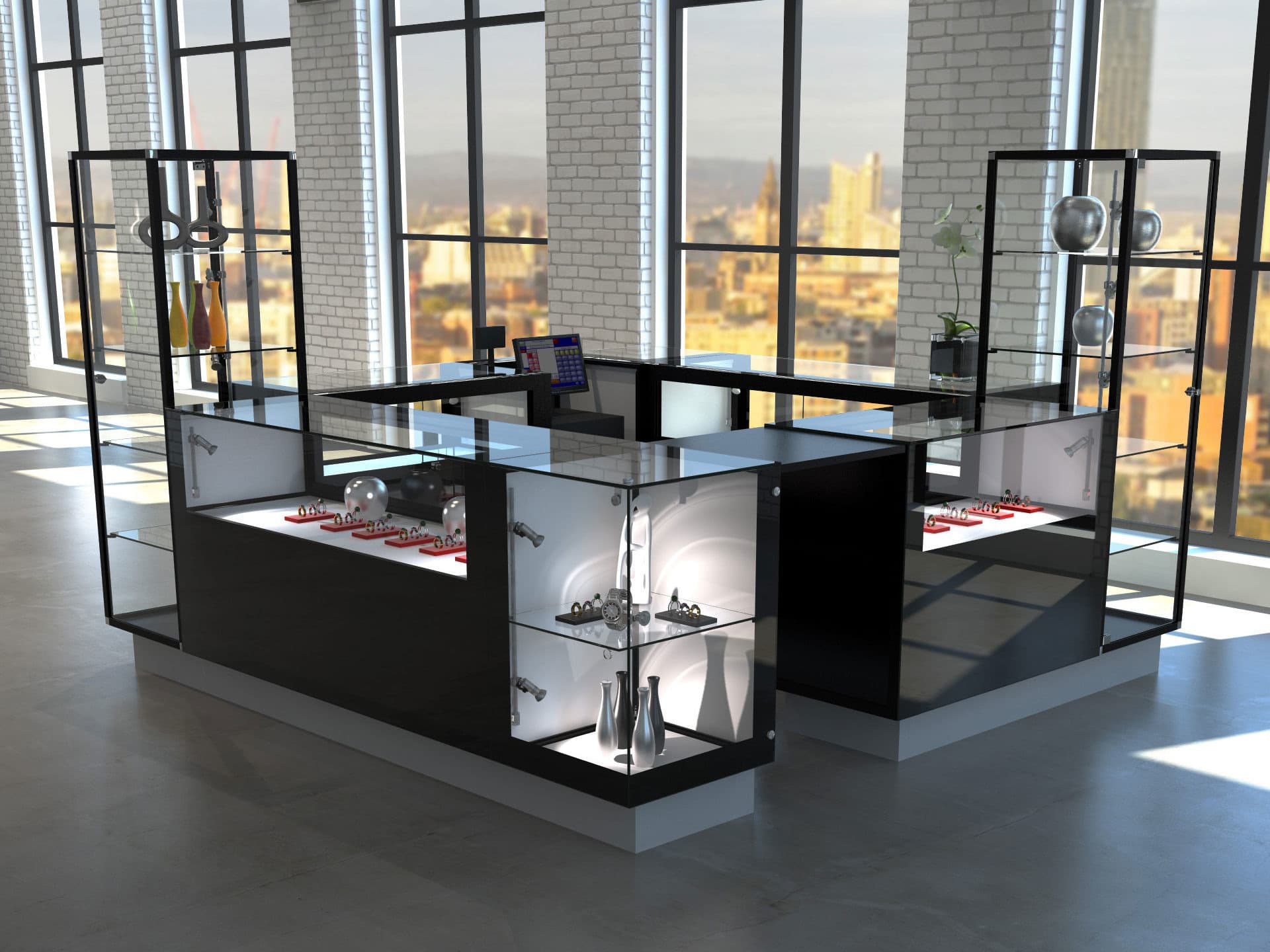
Why Is Quick Installation Important for Temporary Displays?
Pop-up shows and seasonal displays change very quickly. You don’t want lighting to slow you down.
How Do Quick Changes Improve Display Performance?
When lighting adapts quickly:
- Designers experiment more.
- Displays stay visually fresh.
- Highlighting becomes intentional.
- Staff can adjust lighting on the spot during restocking.
Pop-ups especially benefit because they operate under tight deadlines.
How Does Modular Lighting Support Consistency Across Different Stores or Locations?
Retailers with multiple branches often want the same visual standard in all locations. Modular lighting ensures this uniformity—even in different cabinet sizes.
How Does This Benefit Museums and Exhibitions?
Rotating exhibitions require:
- Repeatable setups
- Portable fixtures.
- Compatibility with different display structures.
Modular systems make it easy to move your lights. You don’t need to rebuild each setup again.
How Does Modular Lighting Improve Sustainability and Reduce Maintenance?
Modular lighting is green since it helps cut waste. You reuse the track, wiring, and core structure for years. Only the lighting module changes — which minimizes:
- Landfill waste.
- Metal and plastic use.
- Energy consumption.
- Packaging waste from full replacements.
Sustainability Benefits
|
Category |
Traditional Lighting |
Modular Lighting |
|
Waste |
Entire fixture replaced |
Only modules replaced |
|
Energy |
Often outdated tech |
High-efficiency LEDs |
|
Material use |
Heavy metals + plastics |
Lower long-term use |
|
Environmental footprint |
High |
Significantly reduced |
How Does Modular Lighting Reduce Maintenance Costs?
If one spotlight fails, you swap it in seconds. No dismantling. No rewiring. No risk to nearby fragile items (common in jewelry and museum displays).
What Do Chiswear-Style Modular Products Bring to the Table?
Lighting suppliers such as Chiswear offer modular-friendly fixtures that blend seamlessly into scalable cabinet setups.
Which Modular Fixtures Work Best for Changing Displays?
Some of the most modular-friendly products include:
- Adjustable magnetic track light heads.
- Slim LED bars for under-shelf lighting.
- Mini spotlights for accenting jewelry.
- Easy-mount, tool-free lighting clips.
These fixtures fit perfectly into modular plans because they mix flexibility with clean aesthetics.
How Do Track Lights Support Highlighting Needs?
Track lights and spotlights let you adapt illumination to match key items:
- New arrivals
- Limited editions
- Feature pieces
- Seasonal themes
This enhances sales performance in high-value categories such as jewelry showcase lighting.
Why Are Slim LED Bars So Useful?
Slim bars offer uniform light coverage without clutter. They fit easily into:
- Under-shelf spaces
- Cabinet perimeters
- Side panels
- Transparent acrylic frames
They also pair well with magnetic track systems for hybrid modular setups.
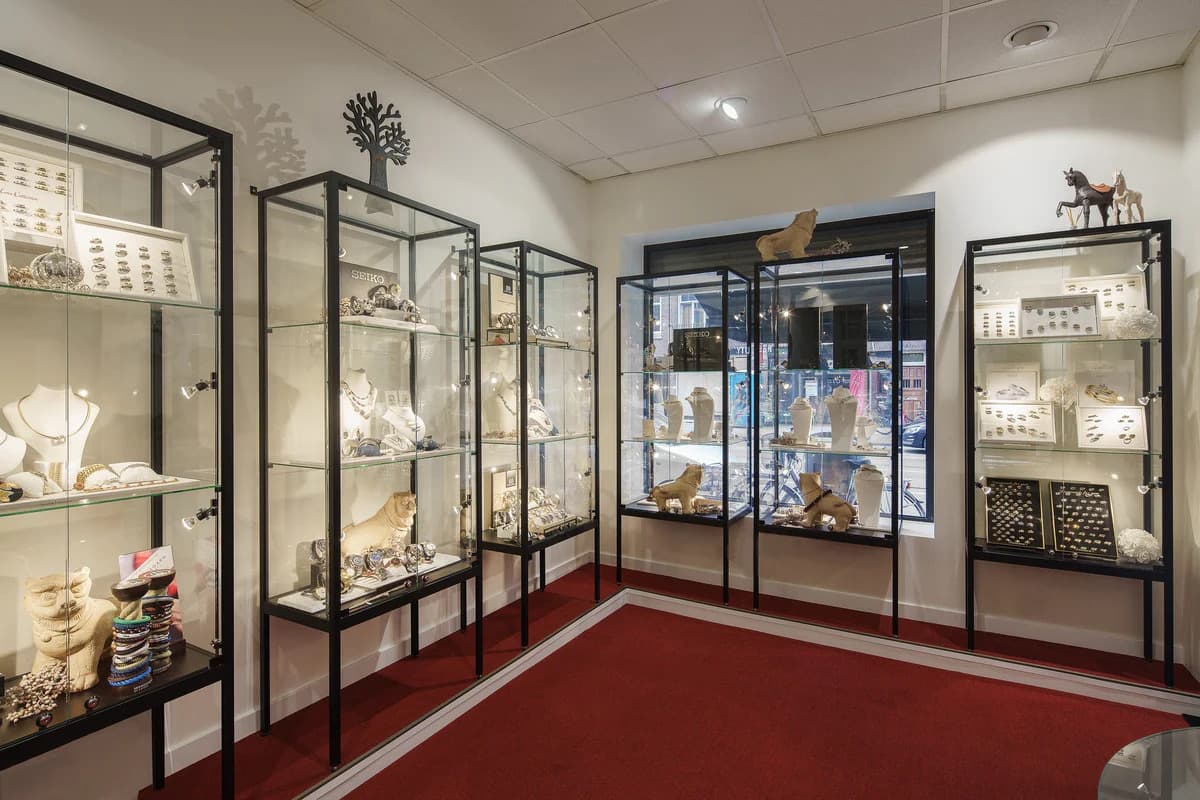
How Do You Design a Modular Lighting-Ready Strategy?
Modular lighting works best when you plan for it. Then build the cabinet around it.
What Should You Consider When Planning for Flexibility?
Plan cabinet space around:
- Track channels
- Power accessibility
- Low-profile mounting positions
- Expansion paths
Avoid designs that permanently trap wiring inside sealed wood panels.
Why Choose Standardized Lighting Modules?
Standard modules ensure:
- Easy replacement
- Cross-cabinet compatibility
- Scalable upgrades
- A unified brand look
This is why many designers prefer using products like Mini magnetic showcase track lighting, which maintains size uniformity.
How Do You Balance Accent and Ambient Lighting?
A modular system allows blending:
- Ambient bars for general visibility
- Spotlights for product emphasis
- Pole lights for vertical highlighting
- Mini LEDs for sparkle effects in jewelry
This mix is essential for visually rich categories such as Jewelry display showcase lighting.
When Does Modular Lighting Make the Biggest Impact?
Modular systems outperform traditional lighting in environments where displays change often.
Where Are These Systems Most Valuable?
They are ideal for:
- Jewelry stores with rotating collections
- Museums with travelling exhibitions
- Pop-up stores
- Trade shows
- Retail chains with multiple branches
- Seasonal product launches
These environments benefit from the flexibility and speed of magnetic track lighting systems.
Conclusion
Modular showcase lighting gives you a future-proof foundation. When your displays change, you just adjust the lights. No rebuilding, no rewiring, no stress. You might use magnetic track lights, slim LED bars, or tiny spotlights. A modular setup keeps you flexible in a world where display designs shift and change often.
With the right modular pieces and a flexible plan, your lighting can grow with your brand. It will keep your space clear, beautiful, and valuable at every step.
External Links:
- https://www.tracksandtales.co/blogs/news/where-the-light-lowers-and-the-room-breathes-an-explainer-on-ambient-bars?srsltid=AfmBOopmEA93jCbQu0XuyRNS61LZiMbRHWltItlhtHYStGXWEvvzTWNx
- https://www.sciencedirect.com/topics/mathematics/magnetic-system
- https://caad-design.com/en/liquid-retail-how-to-design-flexible-spaces-for-a-changing-consumer
@font-face{ font-family:”Times New Roman”; }@font-face{ font-family:”宋体”; }@font-face{ font-family:”Arial”; }p.MsoNormal{ mso-style-name:正文; mso-style-parent:”"; margin:0pt; margin-bottom:.0001pt; line-height:114%; font-family:Arial; font-size:11.0000pt; }h2{ mso-style-name:”标题 2″; mso-style-next:正文; margin-top:18.0000pt; margin-bottom:4.0000pt; page-break-after:avoid; mso-pagination:lines-together; text-align:justify; text-justify:inter-ideograph; line-height:114%; font-family:Arial; font-size:17.0000pt; }h3{ mso-style-name:”标题 3″; mso-style-next:正文; margin-top:16.0000pt; margin-bottom:4.0000pt; page-break-after:avoid; mso-pagination:lines-together; line-height:114%; font-family:Arial; color:rgb(67,67,67); font-weight:normal; font-size:14.0000pt; }span.msoIns{ mso-style-type:export-only; mso-style-name:”"; text-decoration:underline; text-underline:single; color:blue; }span.msoDel{ mso-style-type:export-only; mso-style-name:”"; text-decoration:line-through; color:red; }div.Section0{page:Section0;}
Post time: Dec-08-2025