Introduction
Lighting in a jewelry store is not just decoration. It does more. It shapes how colors look and how metal shines. It also affects how each customer feels about your brand on entry. But lights are not “set and forget.” Each showcase light has a full life story—from the day you choose it, to the day you remodel your store.
At Chiswear, we design LED showcase lighting that can stay with you through that whole journey: first install, daily use, small layout changes, repairs, and full renovation. In this guide, we’ll walk through that lifecycle in a simple Q&A format so you can plan smarter, avoid hidden costs, and keep your displays shining.
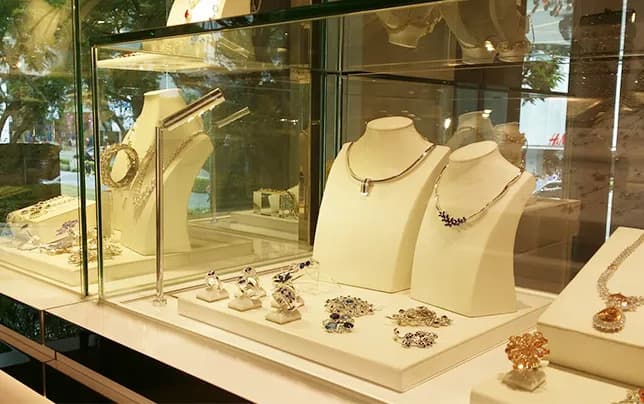
Why Does Understanding The Lifecycle Of A Showcase Light Matter?
Do you feel like lighting is always an afterthought—something you “just buy” near the end of a project? Many brands do this. Later they pay for it with bad displays, more fixes, and quick swaps.
Studies show store lighting shapes how people judge product quality. It also affects how long they stop and stand at a display. Good lighting helps people focus and feel happy. It can also boost sales.
When you see Jewelry showcase lighting as a full journey, not just one purchase, you:
- Control your costs long-term. Not just the first bill.
- Keep color and image quality stable for years. Not months.
- Plan upgrades, instead of being surprised by failures.
- Cut waste. Reuse parts of your system during each upgrade.
To make this simple, see your lights as a long-term asset. Treat them like a key, important piece of home furniture.
Simple View Of A Showcase Light Lifecycle
|
Lifecycle Stage |
Main Question To Ask |
Core Actions |
|
Selection & Specification |
“Is this right for my display and brand?” |
Choose type, CRI, beam angle, finish, layout |
|
Installation |
“Will this perform as designed?” |
Aim, mount, wire, test glare & shadows |
|
Everyday Operation |
“Is it working reliably day to day?” |
Turn on/off, clean, basic checks |
|
Minor Adjustments |
“Can I adapt to new displays quickly?” |
Re-aim heads, move tracks, tweak output |
|
Mid-Cycle Troubleshooting |
“How do I fix issues without a full change?” |
Replace drivers, connectors, modules |
|
Renovation & Reuse |
“Can I reuse or upgrade what I have?” |
Relocate, add new tech, match new decor |
|
End-Of-Life & Sustainability |
“How do I retire this system responsibly?” |
Recycle parts, document replacements |
How Do You Choose The Right Showcase Light From Day One?
Are you confused by many product options and specs like CRI, wattage, and beam angle? You are not alone. The selection stage is where most lifecycle problems begin—and can be avoided.
What should you look at first?
Instead of starting with style alone, start with function:
- What products are you lighting? Diamonds, warm gold, cool silver, watches, art pieces?
- How close will shoppers stand? Close-up cases need softer, more controlled beams.
- How often will the display change? Dynamic layouts need flexible systems.
On Chiswear, you’ll see many systems that cover different needs: magnetic track light systems for flexible layouts, rotating LED bars for long shelves, and mini recessed spotlights for tight cabinets.
Key technical points explained in simple terms
- CRI (Color Rendering Index): Think of this as a “truth score” for color. A CRI of 90+ helps jewelry look real and rich, not flat or fake, which is why Chiswear’s mini track and pole lights use high-CRI chips.
- Beam Angle: Narrow beams (8–25°) work like flashlights. Perfect for one star. Wide beams between 45–80° cover space, great for lighting full shelves or trays.
- Wattage & Voltage: Most luxury cases now use low-voltage 12V DC systems for safety and long life. Good LED showcase lighting can reach tens of thousands of hours if it’s high quality and cooled well.
- Finish & Form Factor: Slim bars, mini spots, or Mini LED pole lighting help you hide the hardware so the customer sees product first, not the lamp.
Matching Light Type To Display Need
|
Display Situation |
Recommended Light Type |
Example Direction |
|
Long jewelry shelf |
Rotating LED bar or slim bar |
Even wash from front |
|
Premium ring or watch in center |
Mini spotlight or Mini showcase track lighting |
Tight, focused beam |
|
Tall tower with multiple levels |
Mini LED pole lighting |
Large beam, 110° type |
|
Flexible seasonal layout |
magnetic showcase track lighting |
Slide, add, or remove heads |
|
Very small countertop display |
1–2W mini magnetic track light |
Low power, precise beam |
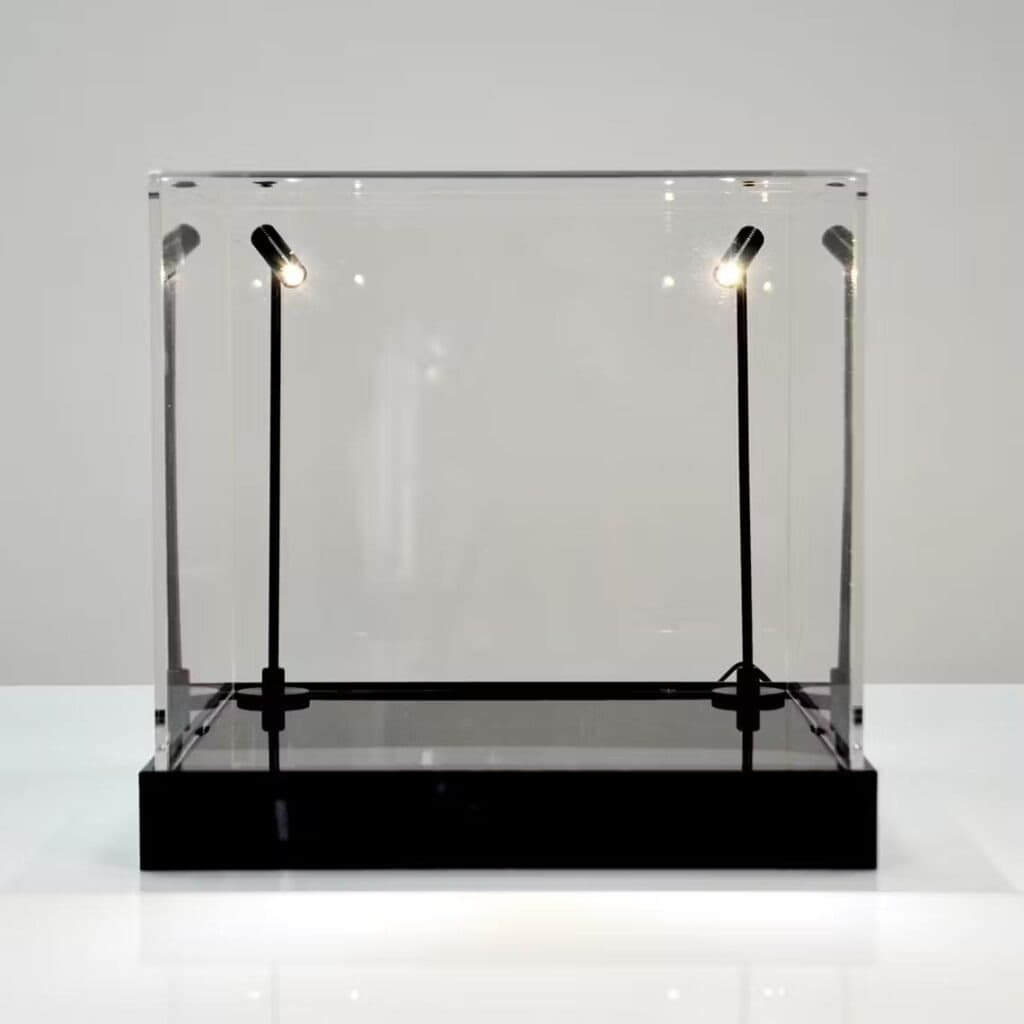
How Does A Showcase Light Perform In Daily Use?
Once the lights are on, day after day, what actually happens? This is the operation phase, and it is the longest part of the lifecycle.
How many hours do these lights usually run?
Jewelry stores and boutiques stay lit. Many run lights 8 to 12 daily. Good LED lights can last tens of thousands of hours. With proper cooling and power, they reach 25,000–50,000 hours before dimming.
Your LED showcase lighting can last for many years. This only happens when you care for it. Heat buildup and dust are the two main enemies.
What simple care does daily operation need?
- Turn lights off when they’re not needed (for example, overnight).
- Keep vents and housings clear so heat can escape.
- Avoid blocking fixtures with signage or props.
How important is cleaning?
Very important—and often ignored. Dust and fingerprints on lenses can cut output and change the beam. A thin film of dirt can steal a lot of sparkle.
Simple Cleaning & Care Schedule
|
Task |
Frequency |
Notes |
|
Wipe lenses with soft cloth |
Weekly |
Use dry or slightly damp microfiber |
|
Check for loose heads |
Monthly |
Especially for magnetic track lighting |
|
Inspect drivers and cables |
Every 3–6 months |
Look for discoloration or overheating |
|
Deep clean inside cabinets |
Every 6–12 months |
Remove dust around tracks and poles |
Keeping this simple routine helps you keep brightness high and colors accurate—key for fine jewelry where tiny differences matter.
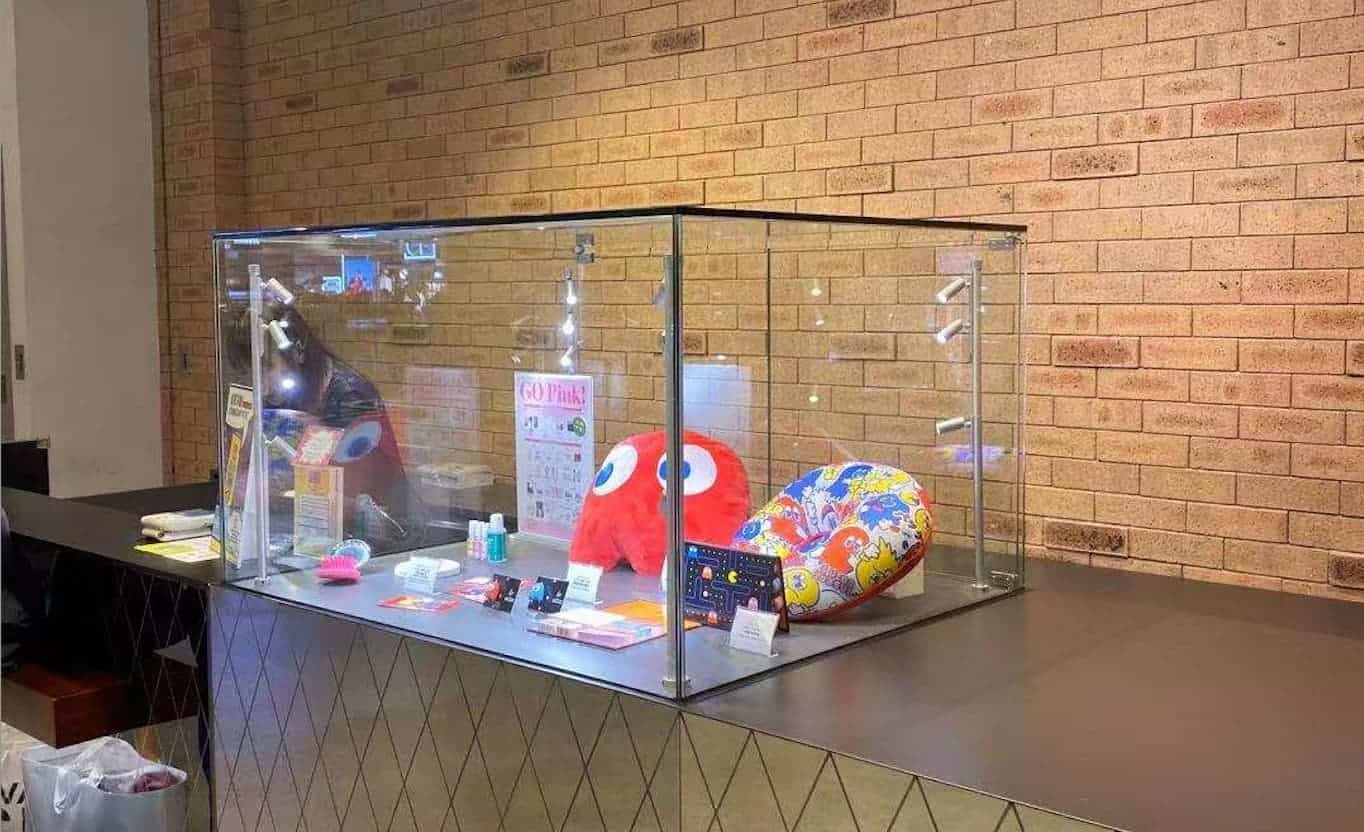
How Do You Adjust Lighting When Displays Change?
Do your displays stay the same all year? Most stores change layouts often—new collections, seasonal themes, promotions. Your lighting must keep up.
How can you adapt without buying all-new lights?
This is where flexible systems like magnetic showcase track lighting shine. You can:
- Slide heads along the track to follow a new product layout.
- Rotate fixtures to match new angles.
- Swap lenses or change beam angles if needed.
Chiswear’s mini magnetic heads and double-head track lights are designed to move easily along a track pole, so you can reshape your light pattern in minutes instead of calling an electrician.
What about color temperature?
Sometimes you need warm light, around 3000K, to make gold and rose gold shine. Use cooler light, 4000–6000K, for silver and diamonds. Many Chiswear lights give you several CCT options. You can easily change the mood without rewiring the system.
Conclusion
A showcase light is not just a tiny device inside a cabinet. It is a quiet helper that works all day, every day. It shapes how your customers feel about your products.
By knowing its whole life cycle—from smart choosing and setup to daily care, small repairs, upgrades, and final removal—you can:
- Keep your displays bright and consistent.
- Stretch every dollar of your investment.
- Reduce waste and upgrade in smarter steps.
Whether you’re opening a new jewelry store, updating old cabinets, or launching many branches, treat your LED showcase lights as long-term partners. They are not cheap pieces you throw away. Build with the journey in mind. Your lights will keep telling your brand story long after that first switch on.
External Links:
- https://www.researchgate.net/publication/360557292_The_influence_of_retail_facility_lighting_on_shoppers%27_product_perception
- https://insights.regencysupply.com/what-is-correlated-color-temperature-cct-and-how-do-you-choose-it-for-your-lighting
- https://www.mouser.com/applications/lighting-cri/?srsltid=AfmBOoqcPTdarXftq-yV2wGJj5Wfz1h1glSY_dGocLeBL_iL8yzIcjnM
Post time: Jan-07-2026