Introduction
Lighting is never “just light.” It changes completely when it hits wood, stone, glass, or metal. In cabinets and retail interiors, the same track head can look warm on oak. On steel it feels sharp, on glass harsh.
This guide turns that challenge into a simple system. We’ll walk through how track lighting works with each material and how to use modern tools like magnetic track lighting and LED showcase lighting to make everything feel calm, bright, and premium.
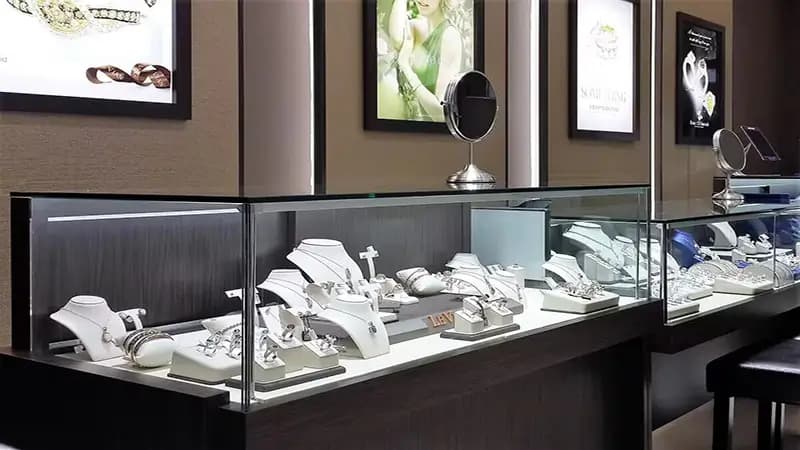
Why Does The Material Behind Your Track Light Matter So Much?
Have you ever wondered why one showcase looks soft and inviting? Another can feel harsh and messy, even when both use LEDs.
Different materials handle light in different ways. They reflect, absorb, or scatter it. Track lighting uses a shared rail with small light heads. You can move them and aim each beam exactly where you need it. But if the beam and color don’t suit the surface, the result can look all wrong, too:
- Hotspots on glossy stone
- Strong glare on glass
- Flat, “dead” wood panels
- Shiny metal that hurts the eyes
So the first step is to understand how each material behaves under light.
How Do Wood, Stone, Glass, And Metal Behave Under Light?
|
Material |
How It Behaves With Light |
What It Usually Feels Like |
|
Wood |
Absorbs a lot of light, gentle reflections |
Warm, calm, cozy |
|
Stone |
Can be very reflective (polished) or soft (matte) |
Solid, sculptural, luxurious |
|
Glass |
Highly reflective and transparent at once |
Bright, light, but easy to glare |
|
Metal |
Strong reflections that show every highlight |
Modern, sharp, technical |
How Should You Light Wood Surfaces With Track Lights?
Do your wood cabinets sometimes look too dark in some spots and washed out in others?
Wood includes oak, walnut, and veneer. It absorbs more light than glass or metal. That is good news for your comfort. It also means you must choose your fixtures with care.
How Can Track Lights Avoid Flat, “Chalky” Wood?
You want clarity, but not a flat “white wall” look. A good approach is:
- Use narrow to medium beams, 15–30°. They highlight edges, shelves, and vertical lines.
- Keep the brightness low. Too much light kills texture.
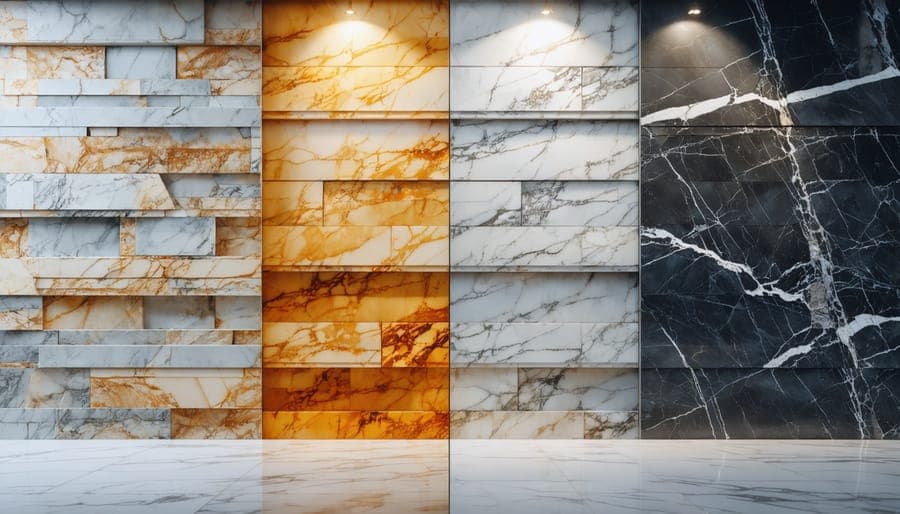
What Is The Best Track Lighting Strategy For Stone Walls And Counters?
Have you seen a marble wall that looks stunning in one store and oddly patchy in another?
Stone is all about surface finish:
- Polished stone acts almost like a mirror.
- Honed or matte stone spreads light and looks softer.
How Do You Avoid Harsh Reflections On Polished Stone?
Ask yourself: “Where will people stand when they look at this wall or counter?”
- Aim track heads from above and off to the side, not straight toward eye level.
- Use wide, soft beams from a bit farther away to spread the light.
- Reduce output slightly so bright flashes don’t appear on shiny veins.
How Do You Control Glare On Glass Displays With Track Lighting?
In photos, your glass showcase looks bright. In real life, it is hard to see.
Glass is tricky. It acts like a mirror yet still lets light pass straight through. So you must handle glare and clear, see-through reflections.
Where Should Track Lights Sit Around Glass?
Think about three basic rules:
- Stay out of the viewer’s direct line of sight.
○ Move tracks slightly forward or backwards so reflections bounce away from the customer’s eyes.
- Use tighter beams when lighting through glass.
○ This avoids “light fog” on the glass surface.
- Aim at the product, not the glass plane.
○ Target the jewelry, art piece, or product inside the case.
Articles from Chiswear on glare control recommend careful layout and dimming when using LED showcase lighting, so the glass stays clear but the product still glows.
Can Optics Help Reduce Glass Reflections?
Yes. Anti-glare designs such as honeycomb louvres and recessed LED chips narrow the output and hide the light source from direct view. Some of Chiswear’s mini magnetic heads use deep, shielded optics so you see the effect, not the bare LED.
How Can Track Lighting Make Metal Look Sharp But Not Harsh?
Do your metal details sometimes steal the whole show and make the rest of the space feel cold?
Metal is powerful in display design. It can look premium, but strong point reflections can be tiring and show every scratch.
How Do You Balance Shine And Comfort On Metal?
Ask two simple questions:
- “Do I want a strong highlight or a soft glow?”
- “Is this metal the star or just a frame?”
Then:
- For hero metal elements (like a brushed brass frame), use medium beams that create clear but not blinding highlights.
- For background metal (tracks, handles, frames), lower intensity and use broader beams.
In jewelry display showcase lighting, polished metal claws and holders are close to gemstones. Well-aimed Mini showcase track lighting lets you catch sparkle on the stones while keeping metal from overpowering them.
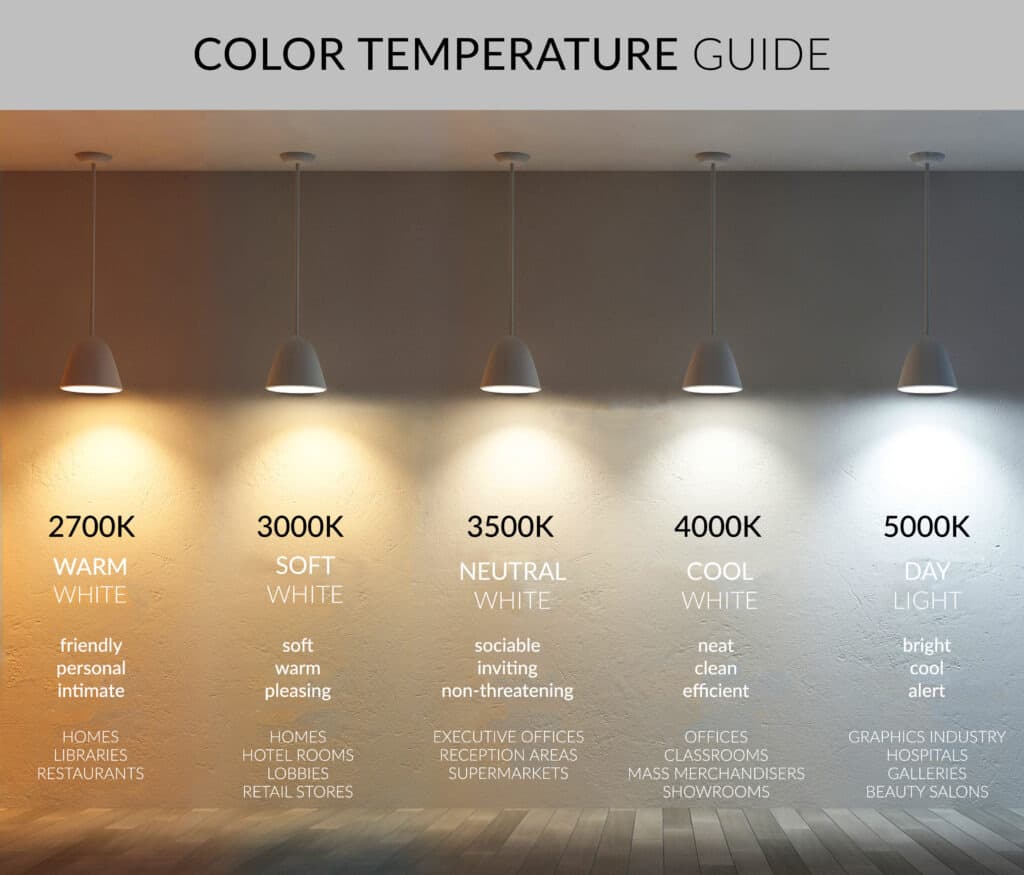
How Do Color Temperature And Beam Angle Change With Each Material?
|
Material |
Suggested Color Temp |
Typical Beam Choice |
Simple Effect Description |
|
Wood |
2700–3000K |
15–30° spots along lines |
Warm, natural, textured |
|
Polished Stone |
3000–3500K |
30–60° floods from above |
Clean, calm, less glare |
|
Matte Stone |
3000–4000K |
15–30° grazing beams |
Strong texture, sculptural |
|
Glass |
3000–4000K |
10–25° tight beams |
Clear products, low haze |
|
Metal |
3000–4000K |
20–40° focused beams |
Crisp edges, controlled shine |
What Common Problems Happen When Track Lighting Meets These Materials?
Do any of these issues sound familiar?
- “My wood cabinet looks dull.”
- “Stone tiles show random bright patches.”
- “The front glass always shows two white dots.”
- “Metal strips look like they’re glowing too much.”
How Can You Fix These Issues Without Rebuilding Everything?
Use this quick problem–solution table as a troubleshooting map:
|
Problem |
Likely Cause |
Simple Fix With Track Lighting |
|
Wood looks flat and pale |
Too cool color temp, too much brightness |
Move to 2700–3000K, reduce output, aim beams at joints/edges |
|
Polished stone has sharp glare spots |
Lights aimed straight at surface |
Raise track, tilt heads so reflections bounce away from eyes |
|
Matte stone looks dull |
Beams too wide and front-on |
Add side “grazing” spots with narrow beams |
|
Glass doors show bright LED dots |
Beams aimed at glass, not product |
Tilt heads deeper into the case, move track forward or back |
|
Metal trims “glow” harshly |
High-intensity, tight beams on shiny surfaces |
Lower brightness, use wider beams or more diffused heads |
Modern magnetic track light systems make these changes much easier. You slide and click heads into new positions without tools, so you can correct glare and hotspots during a short after-hours adjustment instead of a full re-install.
How Do Magnetic Track Systems Help With Mixed Wood, Stone, Glass, And Metal?
Do you feel stuck because your space combines all four materials in one tight footprint?
Places with mixed materials need many small tweaks. Think of boutiques, museums, and watch or jewelry counters. Products move. Layouts change. Seasons switch.
Why Are Magnetic Tracks A Good Fit?
With magnetic track lighting, you get:
- Low-voltage tracks that are safe inside cabinets and close to products.
- Movable heads that click in and out without tools.
- Options like spot heads, linear bars, and Mini LED pole lighting for vertical accents.
In a typical cabinet:
- Warm-toned LED showcase lighting can wash the wood and stone base.
- Tight-beam Mini showcase track lighting can pick out individual pieces through glass.
- Slim track heads can skim metal trims just enough to show their shape.
Chiswear’s magnetic track light collection groups these tools into one system so designers and shopfitters can keep the visual story tidy even when the mix of materials is complex.
Conclusion
Track lighting works best when it matches your room’s materials. It should blend with them, not clash. Wood, stone, glass, and metal each need a special light mix. Color temperature, beam angle, and brightness make them calm, clear, and high-end.
Use flexible tools like magnetic track lights and LED showcase lights. They let you easily adjust the display as products and layouts change, without starting over.
External Links:
- https://www.takethreelighting.com/led-technology-chip-comparison.html
- https://en.wikipedia.org/wiki/Anti-reflective_coating
- https://en.wikipedia.org/wiki/Light-emitting_diode
Post time: Jan-23-2026