Introduce
Most photocells mount separately on a fixture and wire into the circuit. A bulb photocell socket does something different. It combines the lamp holder and the photosensitive controller into a single unit that screws directly into the existing E26 or E27 socket.
No rewiring, no separate mounting hole, no additional component to install. You screw it in where the bulb used to go, fit the bulb into the photocell socket, and the fixture becomes automatically controlled from that point on.
This makes bulb photocell sockets one of the most practical retrofit options for residential and light commercial applications where adding a standard button photocell to the fixture isn’t practical or isn’t desired.
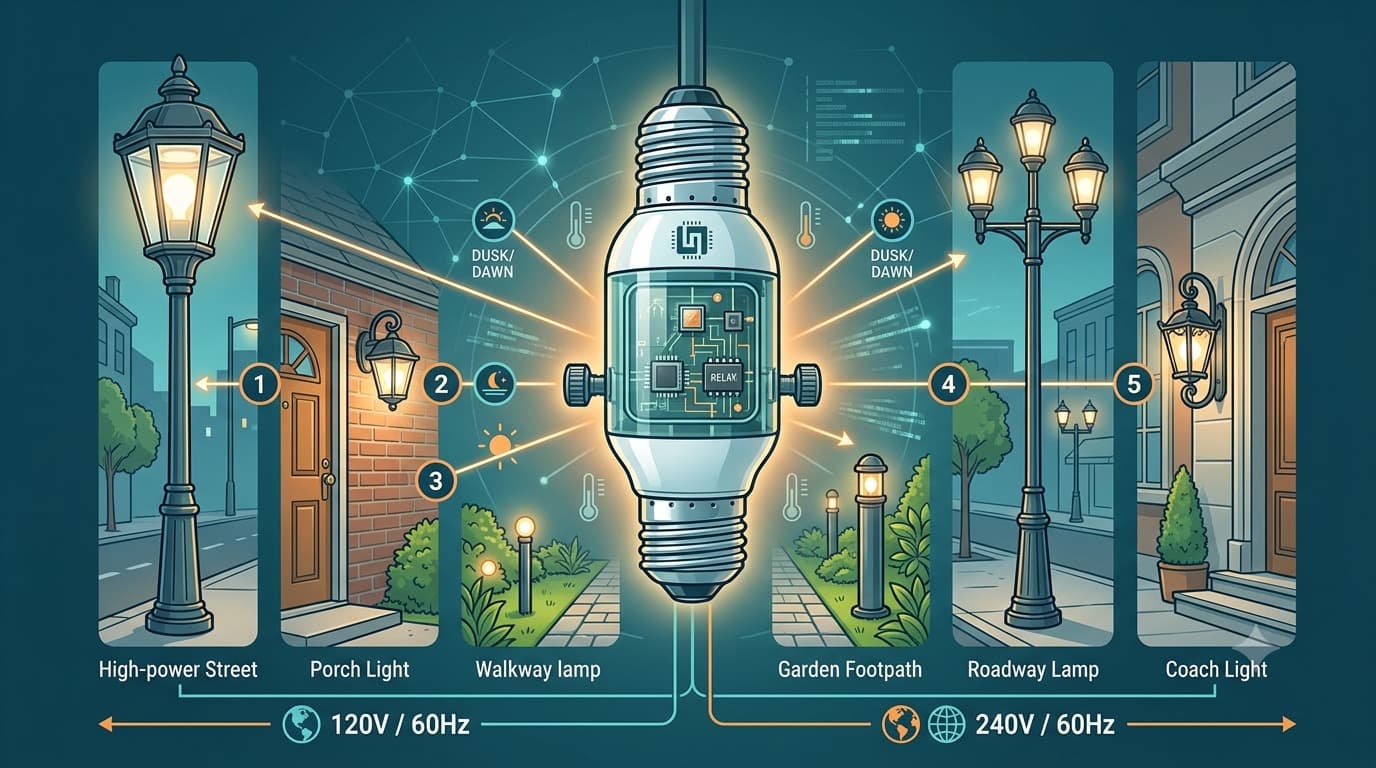
What Is a Bulb Photocell Socket and How Does It Work?
A bulb photocell socket integrates a photosensitive sensing circuit into a standard lamp holder, automatically switching the connected bulb on when ambient light drops at dusk and off when it rises at dawn.
Long-Join’s bulb holder photocell sockets include a temperature compensatory system that provides consistent performance across varying outdoor temperature conditions. This matters for outdoor applications where switching threshold accuracy can drift as the housing temperature changes through the seasons.
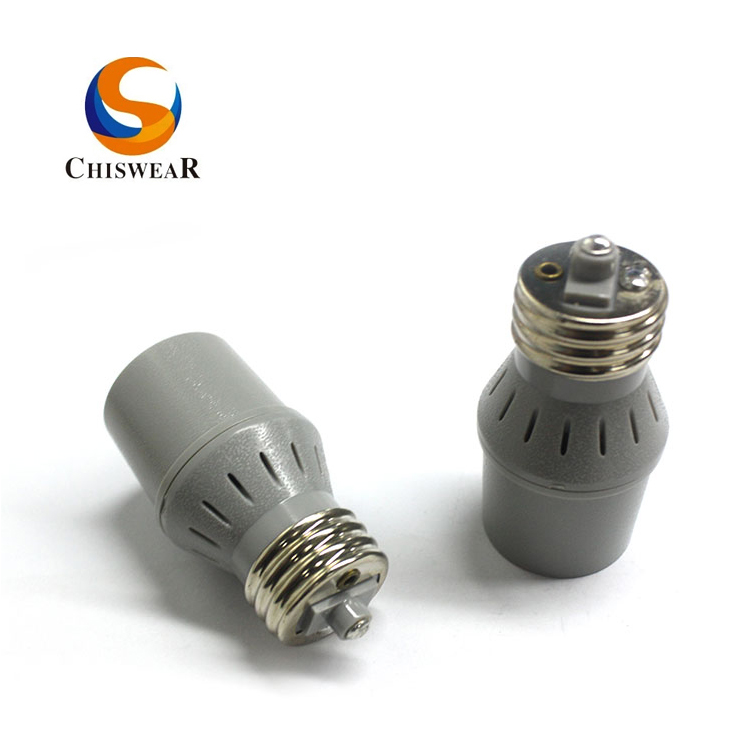
How Do the Long-Join Bulb Photocell Socket Models Compare?
Five models cover 120VAC and 240VAC applications across E26 and E27 socket types, with differences in sensitivity range and power consumption.
|
Item |
JL-301A |
JL-302A |
JL-303A |
JL-303B |
JL-302B |
| Rated Voltage | 120VAC | 120VAC | 120VAC | 240VAC | 240VAC |
| Rated Frequency | 60Hz | 60Hz | 60Hz | 60Hz | 60Hz |
| Rated Loading | 150W Tungsten | 150W Tungsten | 150W Tungsten | 150W Tungsten | 150W Tungsten |
| Power Consumption | 0.5W Max. | 1.5W Max. | 1.5W Max. | 1.5W Max. | 1.5W Max. |
| Typical Lux (On/Off) | 20 to 40 Lx | 10 to 20Lx Turn-On / 30 to 60Lx Turn-Off | 10 to 20Lx Turn-On / 30 to 60Lx Turn-Off | 10 to 20Lx Turn-On / 30 to 60Lx Turn-Off | 10 to 20Lx Turn-On / 30 to 60Lx Turn-Off |
| Failure Mode | Fail On (Always On) | Fail On (Always On) | Fail On (Always On) | Fail On (Always On) | Fail On (Always On) |
| Adapter | E26 | E26 | E26 | E27 | E27 |
The JL-301A stands out for its lower 0.5W power consumption compared to 1.5W across the other four models. Its lux range of 20 to 40 Lx is narrower than the other models, making it best suited to straightforward applications where sensitivity precision is less important than low standby draw.
The JL-302A, JL-303A, JL-302B, and JL-303B all share the same wider sensitivity range of 10 to 20 Lx on and 30 to 60 Lx off, which gives more reliable switching in variable outdoor light conditions.
For 120VAC North American applications, the A-suffix models (E26 socket) are the correct specification. For 240VAC international applications, the B-suffix models (E27 socket) are the right choice.
Full product listings and documentation for the complete bulb holder photocell range are available on Long-Join’s official bulb holder controller page at ©https://long-join.com/product-category/our-product/bulb-holder-controllers/ and on Chiswear’s bulb photocell product pages.
Which Fixtures Suit Which Bulb Photocell Socket Models?
Three common fixture types use bulb photocell sockets, and matching the model to the fixture’s operating environment and sensitivity requirements improves both performance and longevity.
Lamp Posts
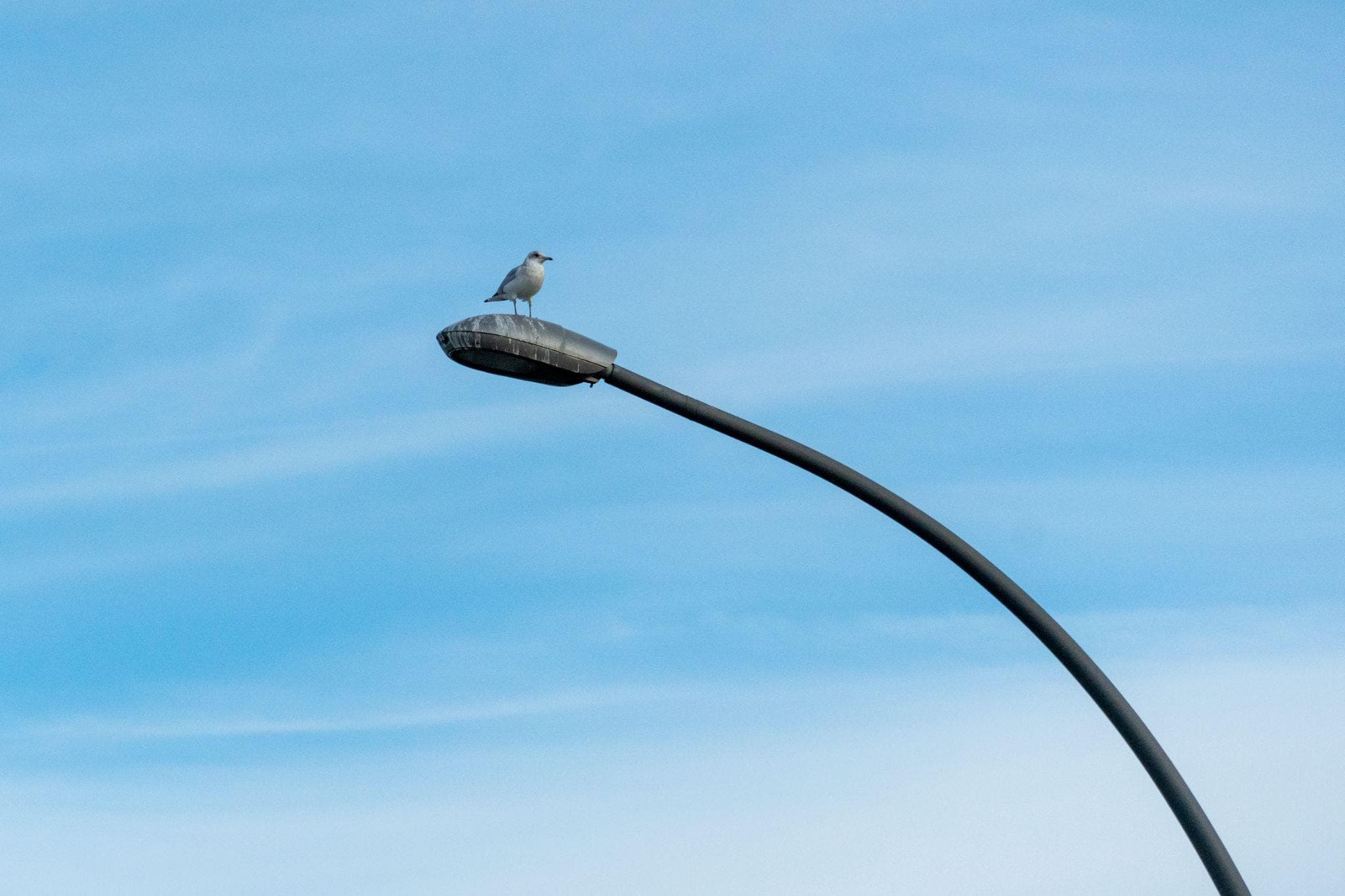
High-power outdoor street lamp posts typically use E26 or E27 interface sockets and face the most demanding outdoor conditions. They require durable models with reliable switching across variable natural light conditions.
The JL-302A for 120VAC or JL-302B for 240VAC installations are appropriate here, with their wider lux sensitivity range providing more accurate switching across the seasonal light variation that lamp post positions experience.
Porch and Coach Lights
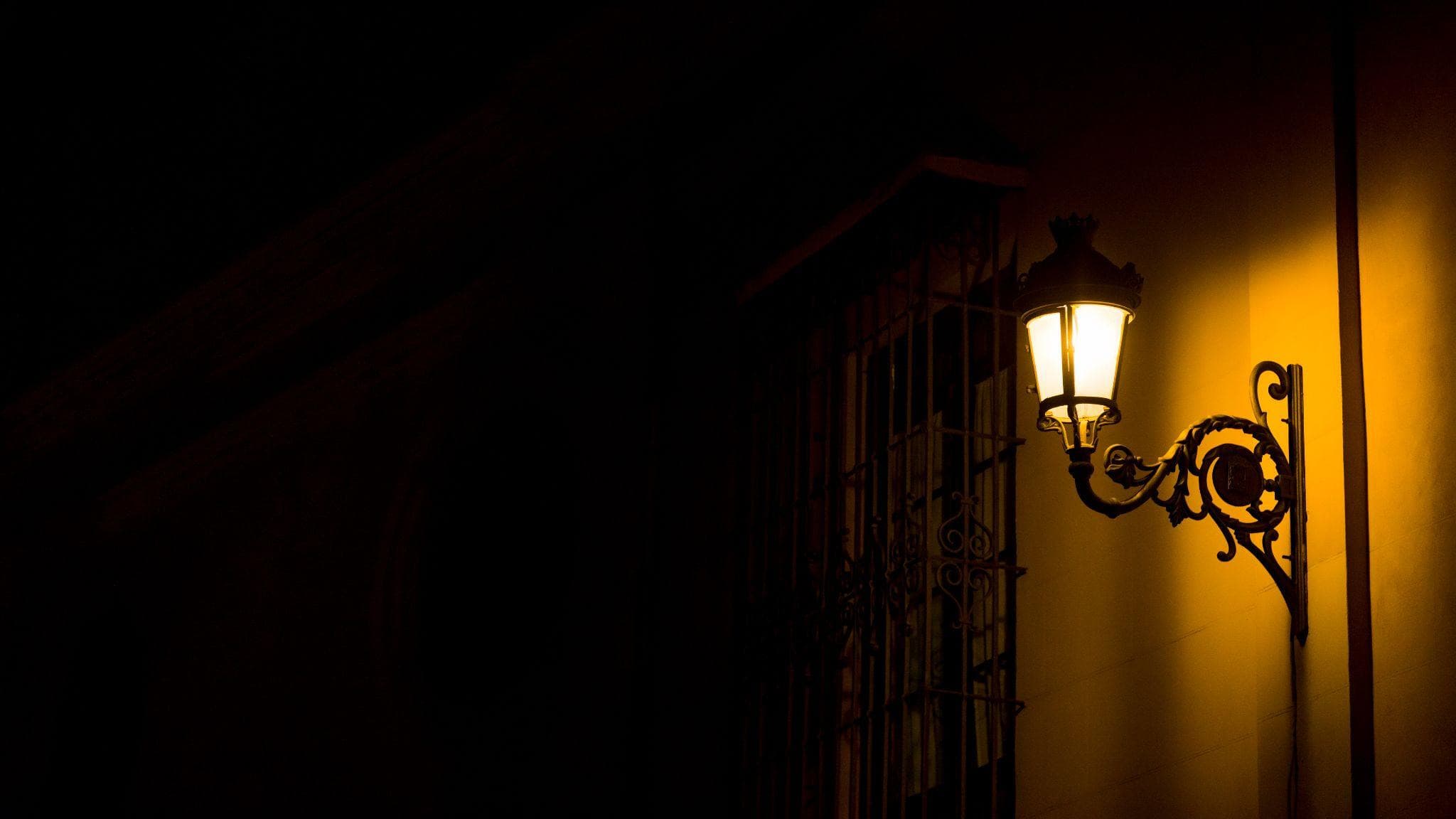
Porch and coach lights are moderate-sized area lighting fixtures at building entrances and driveways. They need adequate light-sensing response without excessive standby power consumption, since many run on residential circuits where efficiency matters.
The JL-301A is a practical choice for these applications, with its 0.5W standby consumption and straightforward on/off sensitivity range suited to the relatively stable light environment of a porch position.
Walkway Lamp Posts

Walkway lamps are smaller fixtures providing circular illumination along footpaths and garden walkways. They need a balance between sensitivity for reliable dusk activation and false-trigger prevention to avoid nuisance cycling from nearby garden lights or vehicle headlights.
The JL-302A or JL-303A both suit this application, with their wider sensitivity range and built-in time delay working together to filter brief light disturbances while still responding accurately to genuine dusk conditions.
Selecting Bulb Sockets
Bulb photocell sockets offer a practical retrofit solution for any E26 or E27 fixture where adding a standard button photocell is not feasible. Long-Join’s range covers 120VAC and 240VAC applications across three fixture types, with model selection driven by voltage, socket type, and the sensitivity range appropriate for the installation environment.
The JL-301A suits low-power-consumption applications with straightforward light conditions. The JL-302A, JL-303A, JL-302B, and JL-303B provide wider sensitivity ranges for lamp posts, walkways, and any position with more variable ambient light.
Frequently Asked Questions on Bulb Sockets
Q1: How does a bulb photocell socket work?
A bulb photocell socket contains a photosensitive component that monitors ambient light levels continuously from within the lamp holder. It has an internal relay that responds to changes in ambient lux reading and controls the bulb switch. A built-in time delay of 3 to 30 seconds prevents the socket from switching in response to brief light events like headlights or lightning, which would otherwise cause the fixture to cycle on and off during the night.
Q2: What is the main difference between the JL-301A and the JL-302A?
The JL-301A has lower standby power consumption at 0.5W maximum compared to the JL-302A’s 1.5W, which makes it the more energy-efficient choice for applications where minimising the photocell’s own draw is important. The JL-302A has a wider and more graduated sensitivity range of 10 to 20 Lx on and 30 to 60 Lx off, which gives it a hysteresis gap between the on and off thresholds that prevents the socket from oscillating near the switching point when ambient light levels are hovering around the threshold, making it more appropriate for outdoor positions with variable light conditions and seasonal variation.
Q3: How does the bulb photocell socket match different lamp head specifications?
Long-Join offers two main socket adapter types across the bulb photocell range: E26 for North American 120VAC applications and E27 for international 240VAC applications. The A-suffix models in Long-Join’s range use E26 adapters and operate at 120VAC, making them the correct specification for the US and Canadian markets. The B-suffix models use E27 adapters and operate at 240VAC, covering European and international markets.
External Links
- https://en.wikipedia.org/wiki/Street_light
- https://en.wikipedia.org/wiki/Porch_Light
- https://en.wikipedia.org/wiki/Pavement_light
Post time: Jun-17-2026