In high-end displays, like jewelry cases, watch counters, and museum boxes, light is more than brightness. It still tells a story. Every beam shapes how a customer feels, how a gemstone sparkles, and how a brand is remembered. At Chiswear, creating custom LED showcase lighting is not about handing you a lamp. It’s about building a lighting system that fits right into your design. It makes every product look its best.
This guide shows you what happens behind the scenes. It explains steps when you order a custom LED light.
What Happens During the Needs Discussion Stage?
The first step is simple. Ask yourself a question: what do you want this light to do? Most people already see the display in their mind. They just are not sure about the technical parts that make it real. The needs discussion helps Chiswear understand both.
Why This Step Matters
A showcase can be small or tall, narrow or deep. It can be glass-covered or open. Each option changes how light travels. The wrong beam angle can wash out diamonds. The wrong color temperature can make gold appear dull. The wrong fixture size can crowd a display.
That is why the needs conversation is detailed, covering:
- What you want to illuminate
- Preferred visual mood
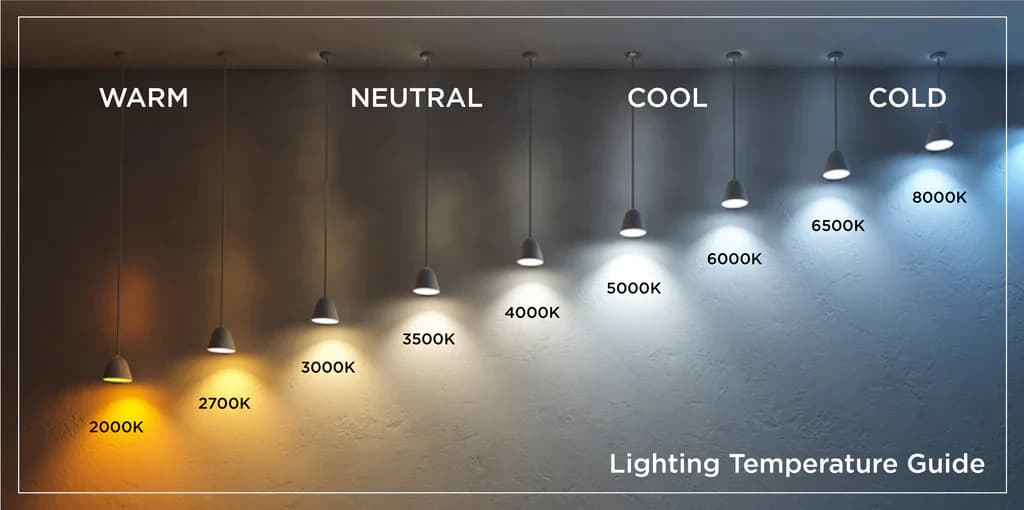
- Color temperatures (3000K, 4000K, 6000K)
- High-CRI requirements for accurate color
- Cabinet size, mounting position, and power availability
- Timeline and budget
Below is a simple table that shows how different lighting choices affect a display:
How Basic Lighting Choices Affect Showcase Results
|
Lighting Choice |
Effect on Display |
Best Use Case |
|
3000K Warm Light |
Adds warmth and softness |
Wood cabinets, gold jewelry |
|
4000K Neutral |
Balanced and clean |
Mixed jewelry displays |
|
6000K Cool Light |
Adds sparkle & crispness |
Diamonds, crystals |
|
High CRI >90 |
Shows true color |
Luxury retail, museums |
|
Narrow beam |
Strong highlight |
Rings, watches |
|
Wide beam |
Even wash |
Shelves, backdrop walls |
During this stage, you’re not buying a fixture — you’re building a vision. If you want to compare this with common LED showcase lighting solutions, you can explore Chiswear’s jewelry showcase lighting collections for reference.
How Does Chiswear Turn Your Requirements Into Technical Specs?
After your needs are clear, the engineering team translates your vision into technical language. This is where concepts meet calculations.
What the Technical Team Checks
- Power & Voltage
Many custom lights run on DC 12V, just like Chiswear’s rotating LED bar. Others may require constant current drivers.
- Driver Selection
Drivers control how stable, bright, and long-lasting the light is. With the wrong driver, LEDs can flicker. They may fail early.
- Thermal Control
LEDs produce heat. A tight cabinet with poor ventilation can shorten lifespan unless heat is managed.
- Beam Control
Engineers decide whether a standard lens is enough or if a custom optic is needed to hit the exact beam angle.
What Engineers Validate Before Designing
|
Category |
What They Check |
Why It Matters |
|
Voltage |
5V / 12V / 24V compatibility |
Avoids burnout or dimming |
|
Driver |
Constant current vs constant voltage |
Controls LED stability |
|
Heat |
Cabinet airflow |
Prevents overheating |
|
Optics |
Lens or reflector type |
Shapes beam angle |
|
Layout |
Mounting space |
Ensures proper fit |
This step ensures your light is safe, stable, and matched to real-world conditions.
For clients exploring advanced display systems, this is similar to how magnetic track lighting systems are customized to fit cabinet structures in modern showrooms.
How Does Optical Design Shape Your LED Light?
Optical design is where your lighting starts to gain personality. This is the step that determines whether the viewer sees sparkle, softness, or drama.
What Happens in This Step
Chiswear’s R&D team uses simulations to predict how light will behave inside your cabinet. They adjust:
- Beam angles
- Light intensity
- Color rendering
- Reflection patterns
- Glare control
- Placement of LEDs
- Mini LED pole lighting with narrow beams for watch faces
- Magnetic showcase track lighting with adjustable heads
- Rotating LED bars that sweep light evenly across stones
- Mini magnetic showcase track lighting for tight spaces
Examples of Optical Choices
Why This Matters in Real Display Settings
Incorrect optics can create shadows, blind spots, or messy reflections on glass. Proper optical design ensures each product is highlighted the way it should be.
Optical design is where lighting becomes art — not just hardware.
How Do You Choose the Right Housing Finish for Custom LED Lights?
Even high-quality light can look out of place if the housing clashes with your cabinet design. That is why Chiswear lets you customize:
- Body color
- Housing material
- Surface finish
- Mounting accessories
- Cable colors
For luxury jewelry stores, a brushed metal finish blends well with glass and polished wood. For museums, matte black reduces visual distraction.
Popular Housing Finishes & Their Best Uses
|
Finish |
Appearance |
Best For |
|
Brushed Aluminum |
Sleek, modern |
Premium retail displays |
|
Matte Black |
Invisible, minimal |
Museums, galleries |
|
White Powder Coat |
Clean, neutral |
Cosmetic displays |
|
Rose Gold |
Luxury statement |
High-end jewelry |
|
Chrome |
Reflective |
Watch displays |
When combined with modern systems like a magnetic track light, the housing finish becomes part of the visual architecture of the cabinet.
What Happens in the Sample & Prototype Stage?
This step turns ideas into something you can touch, test, and adjust. Chiswear creates a prototype so you can preview:
- Beam effect
- Brightness level
- Color temperature
- Housing size
- Mounting angle
This phase allows changes before mass production, reducing risk.
Why the Prototype Stage Helps You
- Prevents design mistakes
- Helps you test real product placement
- Lets you adjust brightness for each shelf
- Shows reflection behavior inside glass enclosures
This is also where many clients experiment with options like magnetic track positioning or mini showcase track lighting to see how each affects the display.

How Does Chiswear Ensure Quality During Production?
After prototype approval, mass production begins. Chiswear uses:
- Aviation-grade aluminum
- High-quality LED chips
- Precision machining
- Strict QC processes
QC is not one step — it happens throughout production.
Chiswear’s QC Process at a Glance
|
QC Stage |
What Is Checked |
Why It Matters |
|
Incoming Material |
LED chips, aluminum quality |
Ensures consistency |
|
Assembly |
Wiring, soldering |
Prevents early failure |
|
Output Testing |
Lumens, CRI, CCT |
Confirms real performance |
|
Aging Test |
Long burn-in period |
Improves reliability |
|
Final Inspection |
Housing, finish, brightness |
Ensures product integrity |
This quality control approach is similar to how premium brands design LED jewelry lighting systems — consistency is everything.
What Installation Support Do You Receive?
Once your lights arrive, Chiswear does not leave you on your own. You get guidance for:
- Wiring
- Power distribution
- Mounting
- Angle adjustment
- Maintenance
Whether it’s mini LED pole lighting or a complex magnetic showcase track pole lighting setup, installation support ensures your lighting performs as intended.
Typical Installation Guidance Provided
|
Topic |
What You Learn |
|
Wiring |
Safe power connection |
|
Placement |
Best beam direction |
|
Mounting |
How to secure bars/pole lights |
|
Adjustment |
Fine-tuning illumination |
|
Care |
Cleaning and modular replacement |
Clear guidance is key to a long-lasting display system.
Why Is Custom LED Lighting More Efficient Than Standard Options?
Custom lighting is not expensive — it is efficient because you get exactly what you need without waste.
Benefits of Custom LED Showcase Lighting
- No extra fixtures
- No guesswork
- Faster setup
- Brand-aligned design
- Higher product appeal
- Longer lifespan
- Better energy use
Custom vs Off-the-Shelf Lighting
|
Factor |
Custom LED Lighting |
Off-the-Shelf Lighting |
|
Fit |
Exact fit |
Often approximate |
|
Beam Control |
Precise focusing |
Generic angles |
|
Color Options |
Tailored CCT |
Limited |
|
CRI |
High, accurate |
Often mid-range |
|
Efficiency |
High |
Variable |
|
Brand Alignment |
Perfect match |
Generic style |
|
Waste |
None |
Usually high |
If you want flexible lighting, magnetic track lighting systems are a great modern option. They give adjustable light that fits new display themes and stay a smart long-term choice.
Conclusion
Ordering a custom LED light can seem hard at first. But each step is clear and simple when explained properly. You’re not just buying a light — you’re crafting an experience that fits your brand, your cabinet, and your display goals.
At Chiswear, each step matters. From needs talk, planning, design, and prototypes to final build and setup, everything works together for strong, beautiful light.
If you’re updating your store, try custom lighting. Use it for every display. A light does more than shine on a product. It lifts it.
External Links:
- https://evidentscientific.com/en/microscope-resource/knowledge-hub/lightandcolor/colortemp
- https://www.flexfireleds.com/color-rendering-index-cri-and-led-lighting-what-is-cri/?srsltid=AfmBOoo4PB8hAKfSU25ABL5UL99az1I37tAjVRHh6zjJfUsFhHrQwV03
Post time: Dec-02-2025