Introduction
When it comes to Chiswear’s high-end jewelry and museum display systems, the spotlight often lands on brightness, colour temperature and fixture housing. Yet the real optical hero is the humble LED lens.
In a lighting scenario as critical as a jewellery showcase or a museum case, the lens is what shapes how every gemstone, every texture, every detail is revealed. With the right lens, a simple LED showcase lighting or mini LED pole lighting solution becomes an experience in precision.
In this article we’ll explore key questions surrounding LED lenses – what they are, how materials differ, how to choose the right one, and how they play a vital role in display lighting.
What Is an LED Lens – and Why Does It Matter for Display Lighting?
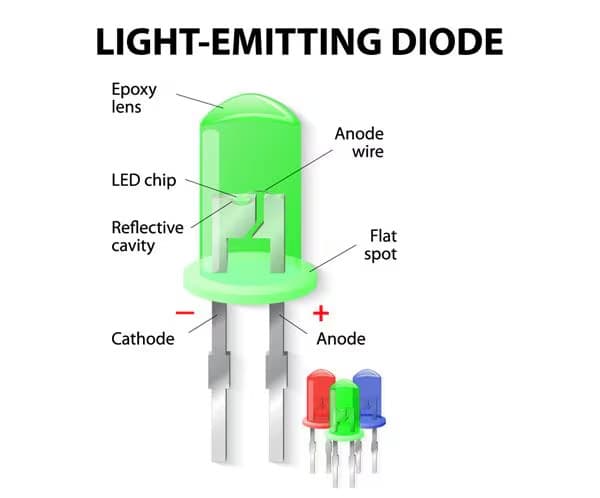
At its simplest, an LED lens is the optical component placed over or near the LED chip that controls how the emitted light is distributed across a target surface. According to industry sources, LED lenses — part of what is called “secondary optics” — are used to collect the light from the LED’s primary optic and shape it into the desired beam angle and distribution.
Why does this matter for display lighting (jewellery showcases, museum vitrines, retail cabinets)?
In a scenario where you already invest in high-accuracy colour rendering, premium fixture design, and maybe even a magnetic track lighting system or magnetic showcase track lighting, the lens is what completes the visual precision chain.
Which Materials Are Commonly Used for LED Lenses – and What Are Their Characteristics?
What materials do people use for LED lenses in display lighting? How is each type of lens different? The table below shows the main options. It sums up their pros and cons.
|
Material |
Advantages |
Limitations |
Typical Applications |
|
PMMA (Polymethyl Methacrylate) |
It is very clear, letting over 92% of light through. It stays stable under UV and resists scratches. |
More brittle with lower strength, so avoid heat or damp. Good for indoor jewelry displays only. |
Indoor showcase fixtures, jewellery display lighting |
|
PC (Polycarbonate) |
It resists strong impacts and handles heat well, working with high-power LEDs in tough settings. |
Slightly lower optical clarity (≈88% or so); can yellow over time with UV exposure; may require coatings |
Outdoor display lighting, industrial cabinets, higher-power retail lighting systems |
|
Glass (Precision Optics) |
Very high optical stability; minimal distortion; excellent colour fidelity |
Heavier; more expensive; more complex to integrate into compact fixtures |
Premium museum lighting, precision-optical applications, ultra-high-end jewellery display where distortion must be minimised |
In many premium display lighting systems — particularly where weight, form-factor and aesthetic transparency matter (as in jewellery showcases) — PMMA remains the material of choice. But as power increases, or where conditions are more extreme (heat, outdoor, larger fixtures, perhaps a magnetic track light environment), PC or even glass may be preferable.
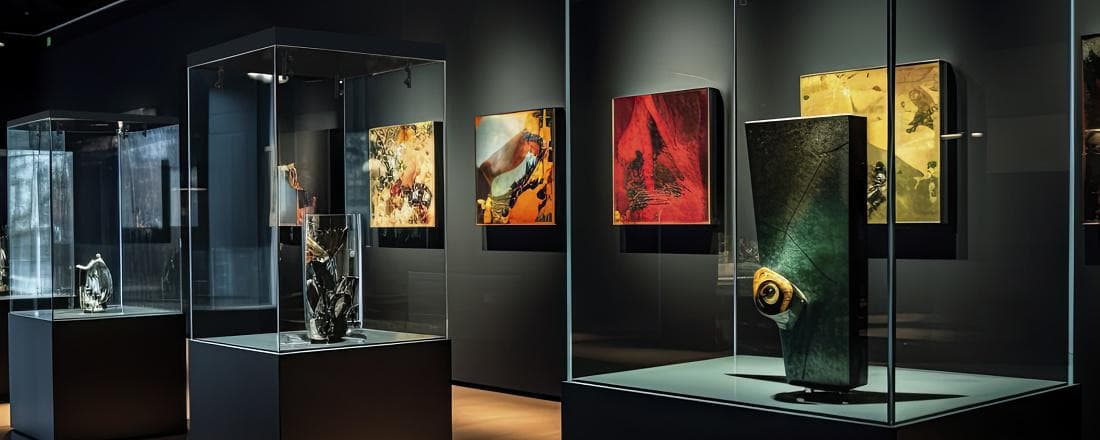
Who Are the Leading Optical Lens Suppliers in the LED Industry — and Why Do They Matter for Display Lighting?
In the professional LED lighting sector (including display lighting for retail, museums and jewellery), several optical suppliers stand out. These companies emphasise precision, consistency, beam-control options, and optical performance. Some of these are:
- Ledil (Finland) – They are known for sharp optics. The lenses control light well in stores and buildings.
- Carclo Optics (UK) – It offers many PMMA and PC lenses. They fit bright LED modules and small display systems for tight spaces.
- Khatod (Italy) – Focuses on advanced lens arrays and consistent optical performance, making them suitable for precision lighting tasks.
- Gaggione (France) – Supplies optical solutions often in decorative or high-CRI lighting contexts, which aligns well with premium jewellery display lighting.
Why this matters for display lighting: When the visual outcome is critical (highlighting gemstone facets, ensuring uniform illumination, minimising glare on glass cabinets), it’s not just the LED chip that matters — the optic is a key differentiator. Sourcing from recognised optical houses ensures repeatability, controlled tolerances, beam and lens-to-LED matching, and long-term reliability.
How Do You Choose the Right Lens for Your Application – Especially in Jewellery Display or Museum Showcase Lighting?
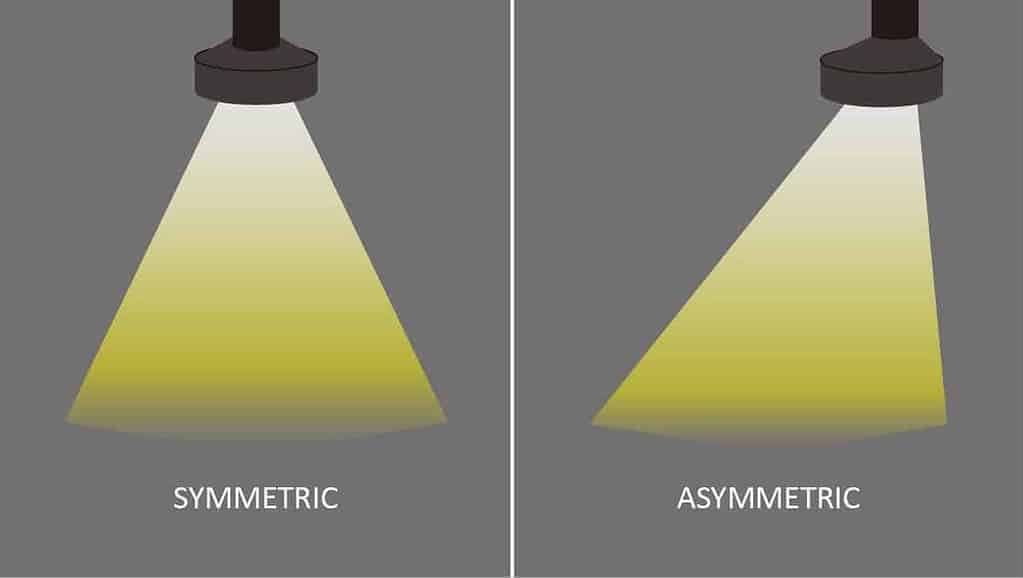
Choosing the right lens is about balance. You match technical needs like beam angle, light spread, heat control, and material with visual needs like look, fixture shape, and cabinet setting. Below is a breakdown of key decision criteria:
Key Factors to Consider
- Beam Angle – This defines how wide or narrow the light spreads. For example:
○ 10°–25°: Narrow beam → ideal for accent lighting or spotlighting jewellery pieces.
○ 30°–60°: Medium beam → good for general showcase illumination.
○ 90°: Wide beam or diffused light → suitable for larger displays or ambient fill lighting.
Here’s a summary table:
|
Parameter |
Why It Matters |
|
Beam Angle |
Defines how the light covers/display spreads on the item |
|
Distribution Shape |
Determines if light is spot, flood, oval or asymmetric |
|
Optical Clarity |
Impacts colour fidelity, highlight quality, absence of artifacts |
|
Thermal Stability |
Ensures long-term beam shape and lens durability |
|
Finish / Coating |
Minimises glare/reflection in glass-enclosed cabinets |
|
System Fit/Integration |
Ensures the lens works in your fixture/track system setup |
In simple terms, when you light jewelry in a display case with an LED showcase light on a magnetic track, you can choose a narrow 10°–20° beam PMMA lens. It gives you clear optics with an anti-glare surface. This kind of lens gives each gemstone sharp, focused light. It also cuts down harsh reflections on the glass.
In contrast, a museum artefact cabinet might opt for a wider (40°-60°) beam, frosted finish, and PC material if the fixture runs at higher power or will be subject to warmer conditions.
Conclusion
Choosing the right lens for your LED display lighting system isn’t optional — it’s fundamental. Whether you’re specifying a magnetic track light in a jewellery boutique, a mini showcase track lighting installation in a museum, or a general LED jewelry lighting solution in an upscale retail environment, the lens is what controls how light travels, how surfaces appear and how objects are perceived.
At Chiswear, we partner with trusted optical suppliers, integrate precision-engineered lenses and design fixtures to deliver lighting that celebrates detail, enhances emotion and elevates every product or object on display. Because beyond the LED chip, beyond colour temperature and power, it’s the lens that completes the visual story.
External Links:
- https://www.optic-gaggione.com/
- https://www.khatod.com/en/
- https://www.carclo-optics.com/
- https://www.ledil.com/
- https://en.wikipedia.org/wiki/Poly(methyl_methacrylate)
- https://www.rs-online.com/designspark/led-optics-lenses-versus-reflectors
- https://www.tralert.com/en/lighting-terms/led-lens/
- https://www.ledsupply.com/blog/led-optics-explained/
Post time: Nov-21-2025