Introduction
In today’s world that values energy efficiency and sustainabilitysaving power isn’t, about costs—it’s a global focus. Cities keep growing and lights stay on longer. We need smart, efficient lighting right now more than ever. But how can we cut energy waste without sacrificing safety or visibility?
Photocell technology offers a powerful solution. This article explores how it works and why it is effective. It then shows how Longjoin’s innovations solve lighting challenges around the globe.
What is Photocell Technology, and Why is It So Important in Smart Lighting?
Having lighting is essential. However keeping the lights on constantly is a waste of energy. Urban areas keep growing. We must make lights smarter, and not only brighter. That’s where photocells step in. They are the brains behind automated lighting. They help cities save energy and keep streets bright for safety and vision.
A photocell is a sensor that detects light. It turns the lights on when it grows dark. It then turns them off when it grows bright. his simple idea runs smart city lights. It cuts waste and saves money with no human effort.
Modern photocell lighting sensors are highly precise and reliable. They play a key role in smart city infrastructure by supporting automatic control and real-time energy management.
Key benefits of photocell technology:
|
Feature |
Benefit |
|
Automatic light control |
Eliminates manual operation |
|
Energy efficiency |
Cuts unnecessary lighting time |
|
Environmental support |
Reduces carbon footprint |
|
Safety |
Keeps streets lit when needed |
How Does a Photocell Sensor Work?
You may have seen street lights turn on by themselves at dusk. But how exactly does that happen? Behind this automation is the photocell sensor—a small but smart component. Its function lies in detecting natural light and sending a signal to control lighting systems accordingly. It may sound simple, but the science and engineering behind it is what makes it so reliable and efficient.
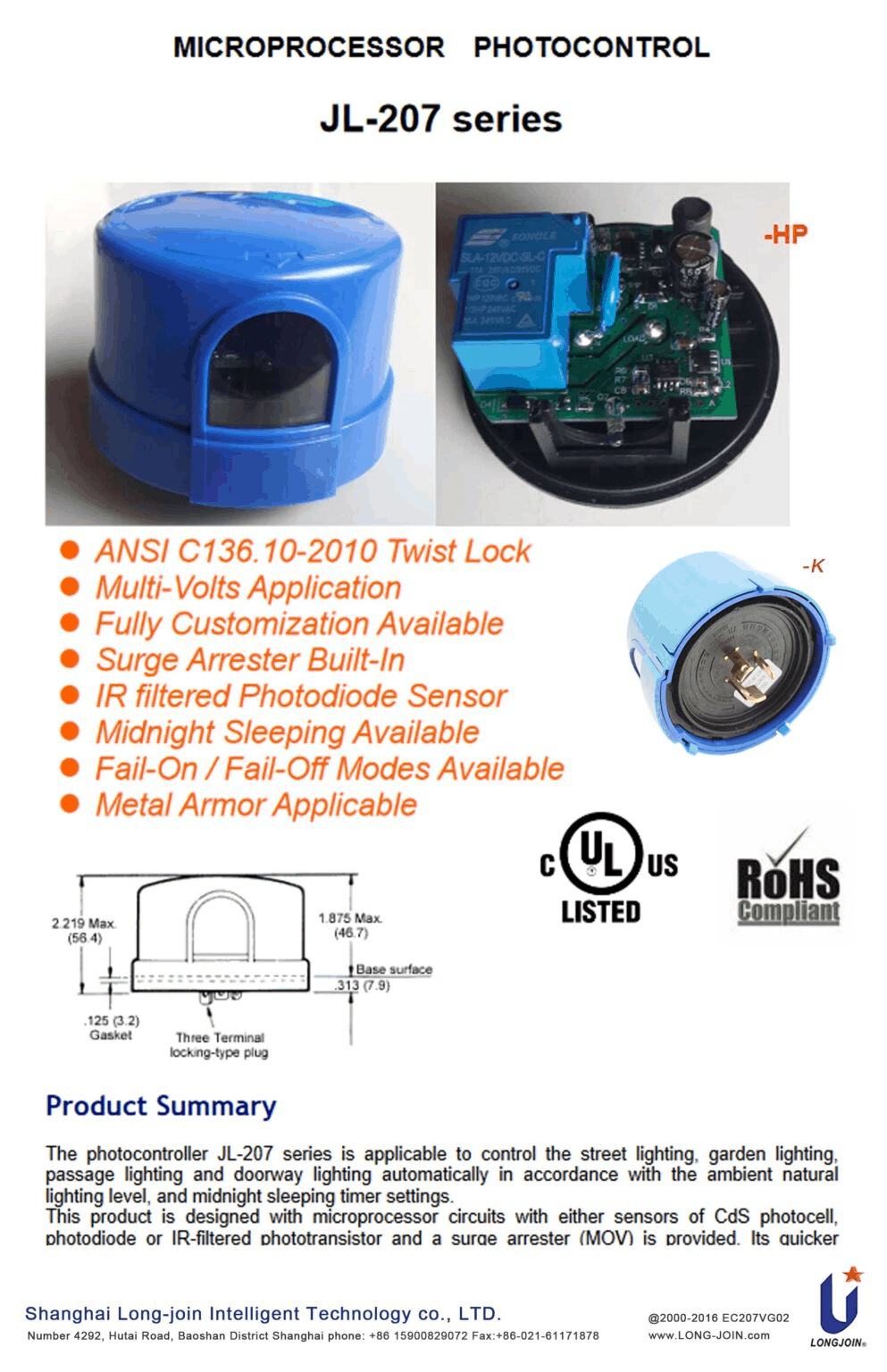
Think of a photocell sensor as a set of eyes. It detects natural light levels using photoelectric components. When darkness falls, resistance drops, triggering the circuit to turn the light on. When daylight returns, resistance increases, switching it off.
This light-sensing system allows for:
- Accurate dusk-to-dawn operation.
- Zero manual monitoring.
- Minimal energy loss.
Photocells are perfect for outdoor lighting, like street lamps, parks, campuses, and even parking lots.
Longjoin’s Photocell Control Products offer superior sensitivity and quick response time, reducing flickering and false activation.
What Makes Longjoin’s Photocell Technology Stand Out?
Not all photocells are created equal. In fact, some can be too sensitive, triggering lights unnecessarily, while others may fail in bad weather. That’s why Longjoin has taken innovation seriously. Their photocell products are built for accuracy, resilience, and advanced automation that fits the needs of modern cities.
Longjoin’s photocell street light sensors are more than basic on/off devices. They offer advanced features that push the boundaries of efficiency.
Core Features of Longjoin Photocell Sensors
|
Feature |
Description |
|
Delay Function |
Prevents false triggers caused by sudden flashes of light |
|
IoT Integration |
Enables remote monitoring and data collection |
|
Long Lifespan |
Durable in harsh weather, ideal for street lighting |
|
Precise Light Sensitivity |
Calibrated sensors for accurate ambient detection |
These enhancements help cities achieve dependable and smarter lighting control while reducing maintenance issues.
How Much Energy Can Be Saved With Photocell Lighting Sensors?
Energy savings aren’t just theoretical when it comes to photocells. Real-world data shows that smart lighting systems using these sensors significantly lower power bills. Cities and commercial sites alike are discovering how effective photocells are in reducing electricity consumption and improving operational efficiency.
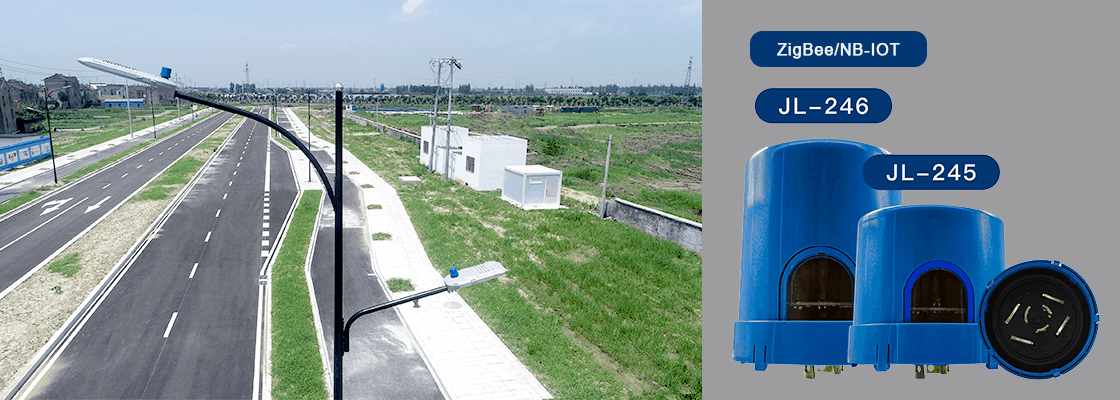
Photocells can reduce electricity consumption in outdoor lighting systems by 30% to 40%. That’s not just good for your wallet—it’s great for the planet.
Photocell switch devices prevent unnecessary lighting, making sure lights operate only when needed.
Real-World Impact:
- A city with 10,000 street lights can save over $300,000 annually with photocell integration.
- Maintenance visits drop by up to 50%, thanks to fewer faulty lights and longer bulb life.
- Cities like Seoul and Copenhagen have reported significant CO2 emission reductions using smart photocell systems.
What Environmental and Operational Benefits Do Photocell Systems Offer?
Sustainability is no longer optional—it’s essential. Photocells help cities achieve green goals while improving service delivery. From reduced carbon emissions to streamlined maintenance, these small sensors create massive benefits across public infrastructure.
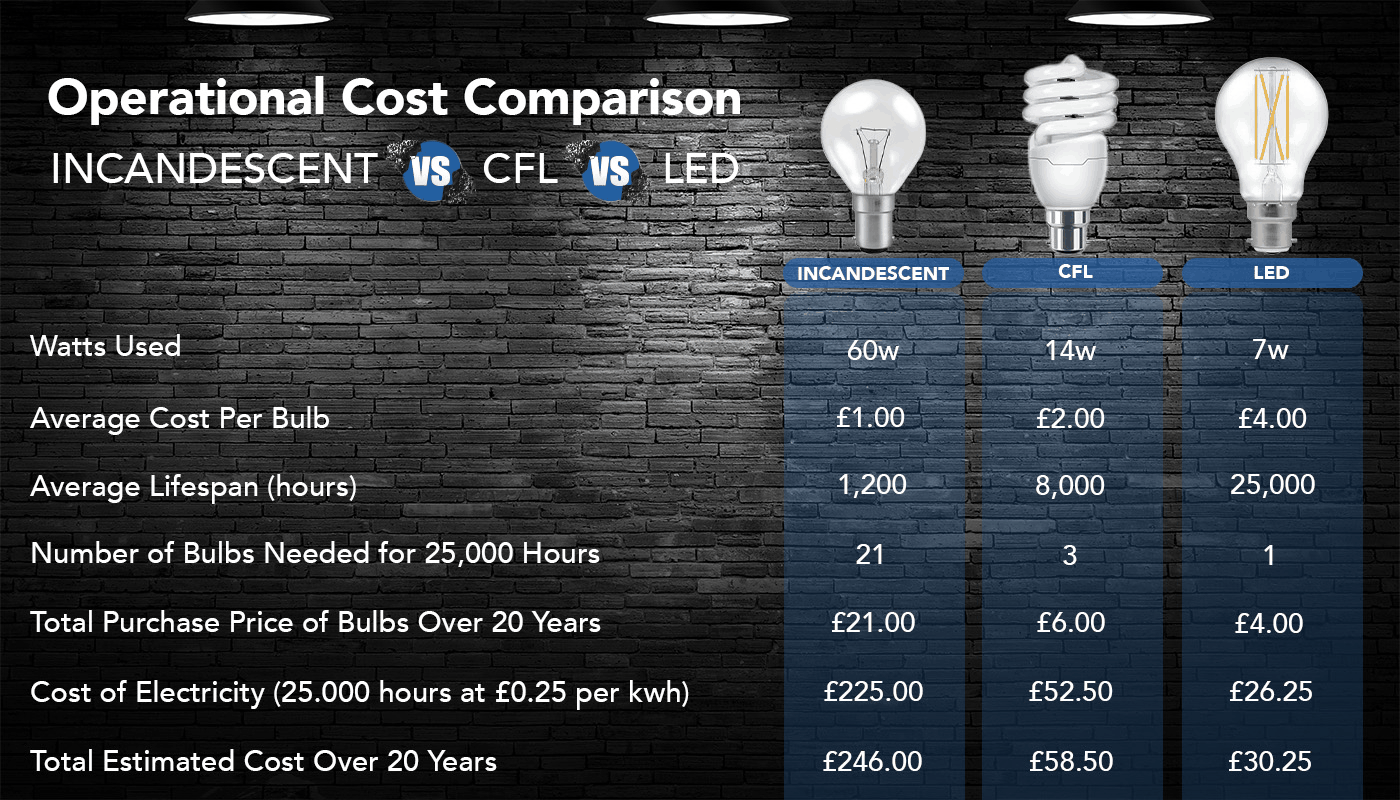
Photocells are a win-win. While saving costs, they also help meet environmental goals.
|
Impact |
Benefit |
|
Lower Emissions |
Reduces carbon output in urban lighting |
|
Remote Management |
Allows quick response and fewer field visits |
|
Grid Optimization |
Less strain on power supply systems |
With Longjoin’s smart remote control switch and durable IP65 photocontrol enclosures, systems stay reliable in rain, heat, or snow.
Where Are Longjoin’s Photocell Products Used Globally?
Adoption is the strongest proof of trust. Longjoin’s photocell products are used around the world, offering performance and flexibility for clients across continents. Whether it’s illuminating a German highway or automating street lights in Tokyo, Longjoin’s solutions meet global standards.
Longjoin has a global reach. Their photocell control products are trusted in:
- North America (U.S. and Canada).
- Europe (Germany, Netherlands, Spain).
- Asia-Pacific (China, Japan, India).
They’re used in government projects, highways, business districts, and private smart building systems.
Clients Include:
Need something custom? Longjoin delivers tailored photocell sensor solutions that match local conditions and regulations.
How Are Photocell Technologies Powering Smart Cities?
Smart cities are built on data, automation, and adaptability. Lighting is a huge part of that system. Photocells give urban planners the ability to automate lighting in a way that supports safety, efficiency, and sustainability goals.
Cities are getting smarter, and photoelectric sensor technology is key to this change. Longjoin’s solutions integrate seamlessly into smart networks.
Applications include:
- Smart street lights with real-time dimming based on traffic.
- Parks and facilities that adapt lighting to visitor presence.
- IoT dashboards that track power use and automate faults.
With NEMA sockets, Zhaga interfaces, and LED remote control light modules, integration is easy and scalable.
What’s Next for Photocell Technology?
Technology never stands still. As cities look for smarter solutions, photocell technology will keep evolving. From AI-powered lighting control to energy consumption analytics, Longjoin is investing in tools that don’t just keep the lights on—they optimize everything around them.
The future is bright—but only where needed. That’s the promise of photocell lighting.
Longjoin continues to lead with:
- Smarter algorithms for daylight detection.
- Full integration with smart city platforms.
- Energy reports and failure alerts via mobile app.
As energy crises continue, photocell sensors will play a growing role in responsible urban development.
Explore Longjoin’s full range of photocontrol and sensor products to future-proof your lighting systems.
Conclusion
Photocell systems, especially those made by Longjoin, deliver unmatched performance in energy saving, smart control, and durability. With proven global success, Longjoin continues to empower smart cities with intelligent, eco-friendly lighting solutions.
Visit Longjoin to learn how you can integrate advanced photocell control into your next project.
External Links:
- https://www.cree-led.com/
- https://www.philips.com/global
- https://en.wikipedia.org/wiki/Photoresistor
Post time: Apr-22-2025